Shiraz, and fallen empires.
My first university field trip, with Professor Memarian and my classmates. We went from Tehran to Shiraz by train and returned the same way. Between walks through the city and long days among the ruins of Fars, architecture became something we could enter, climb and look at together.
Explore ↓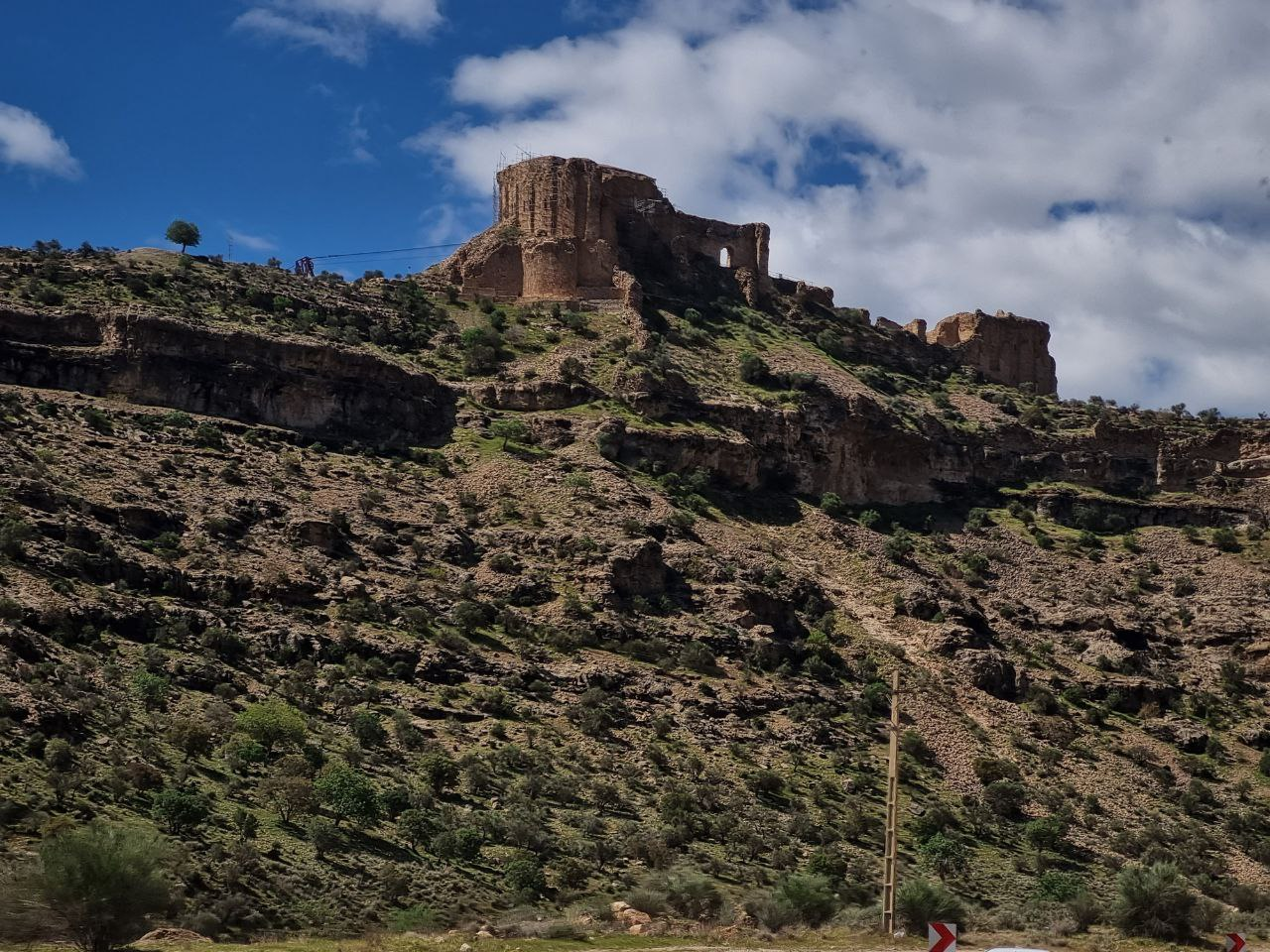
Shiraz, on foot.
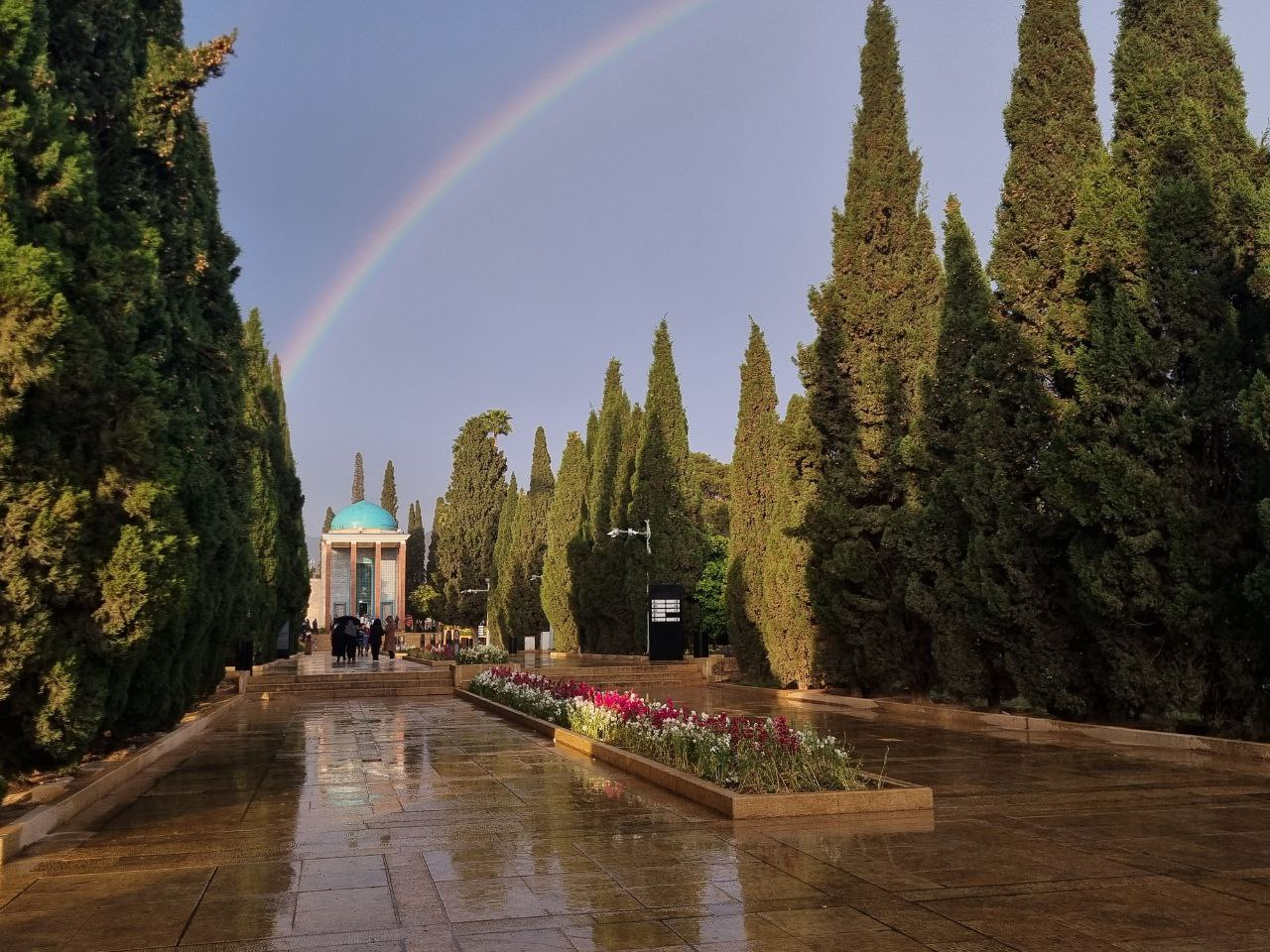
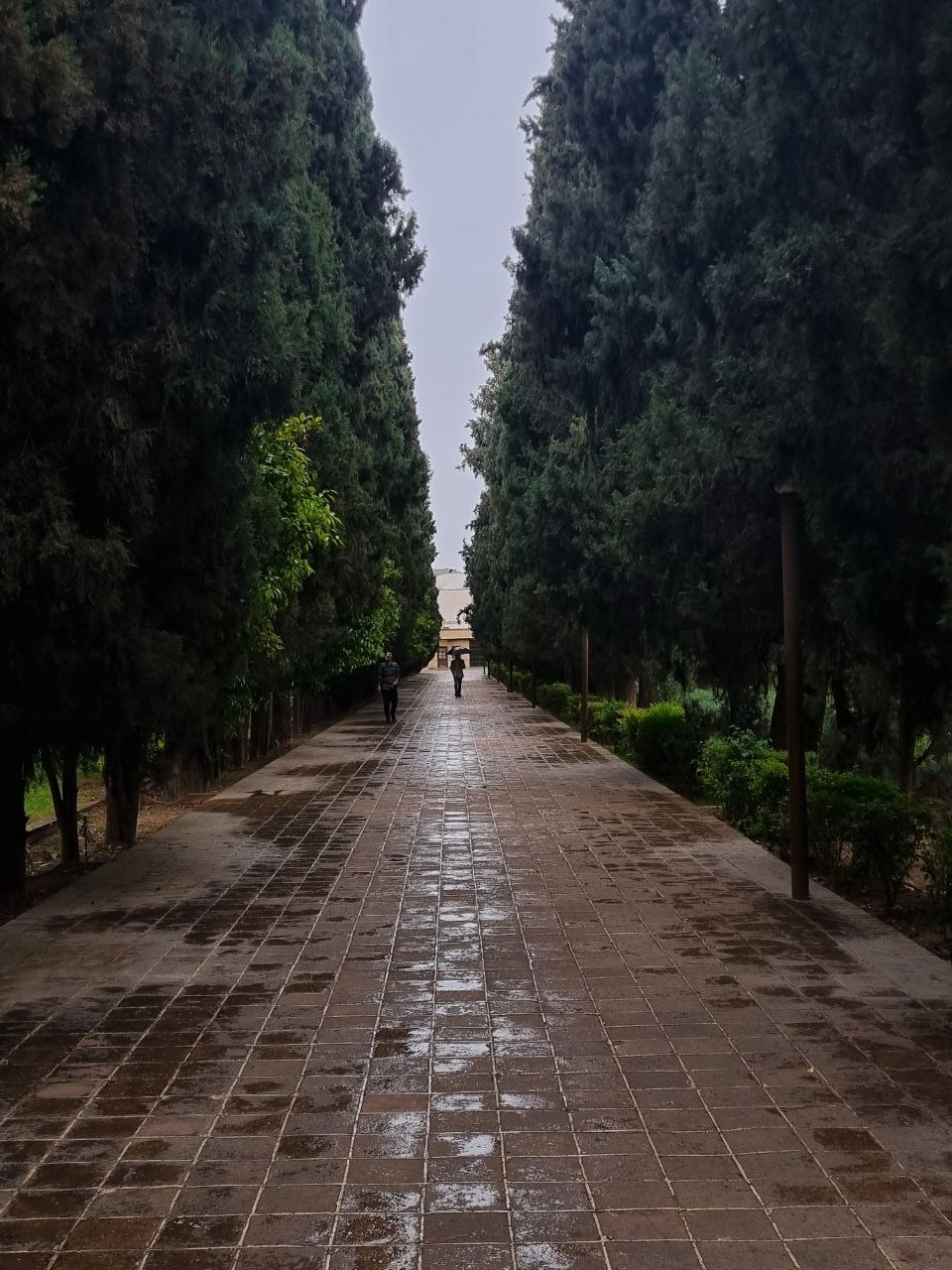
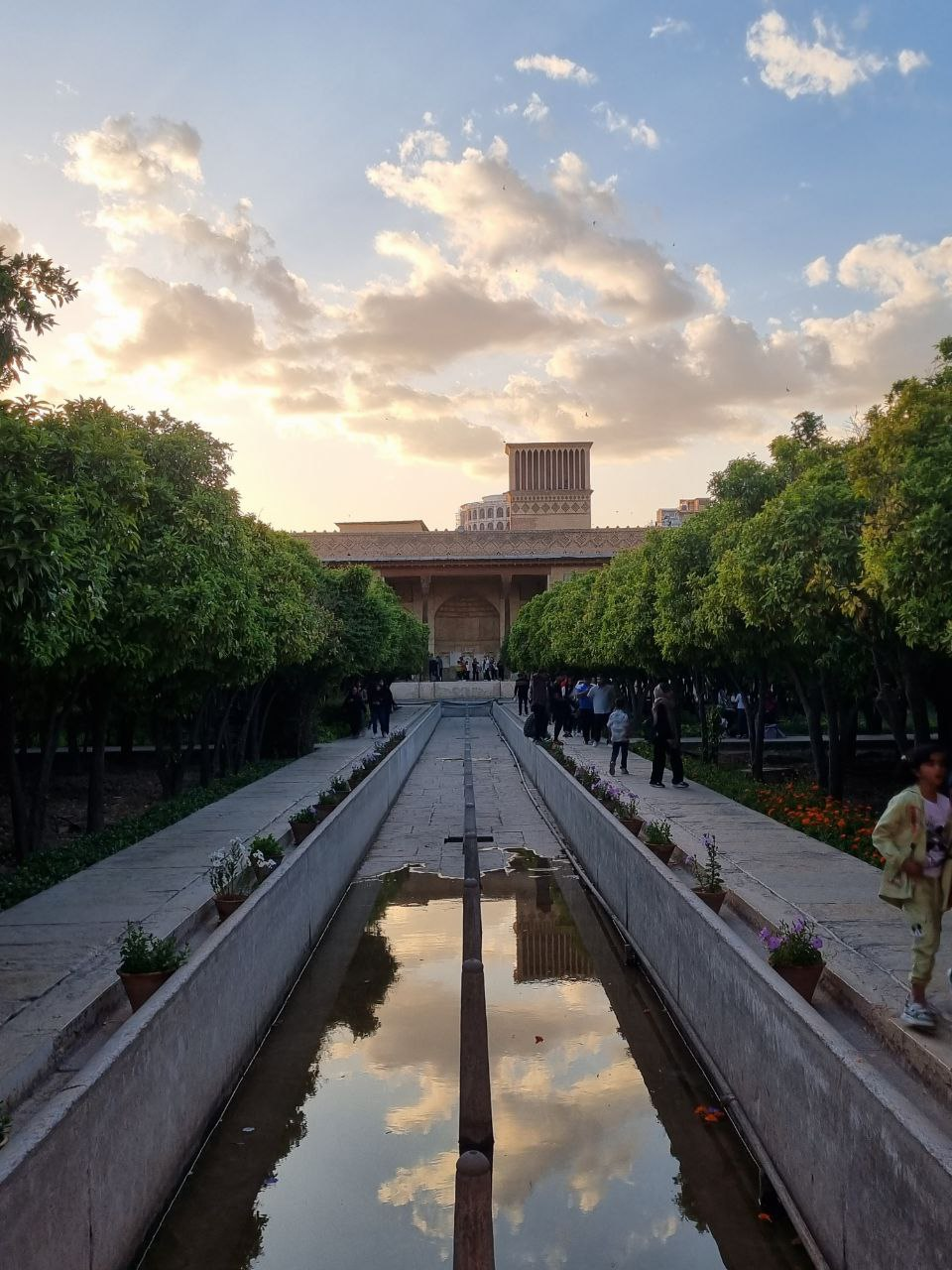
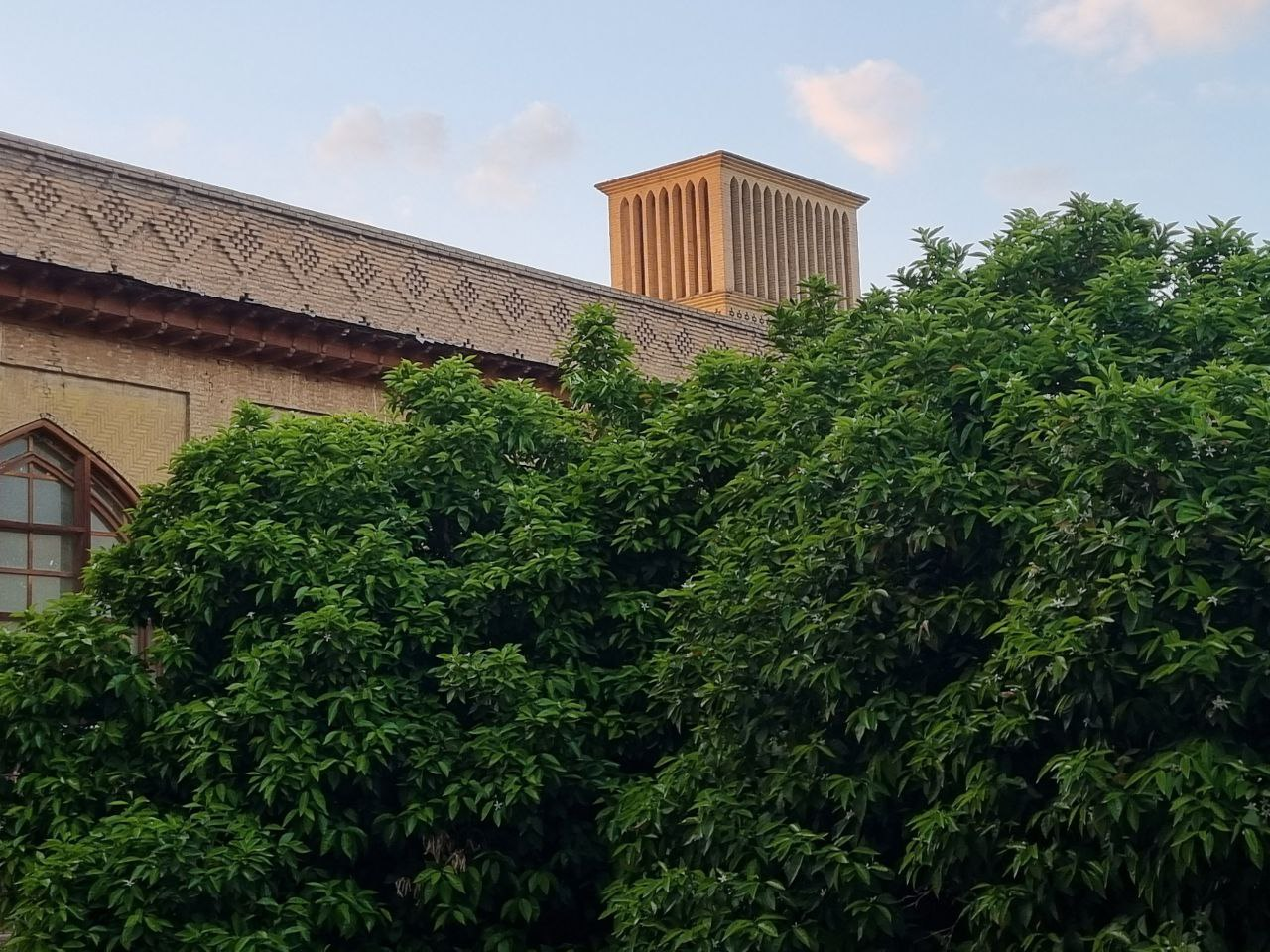
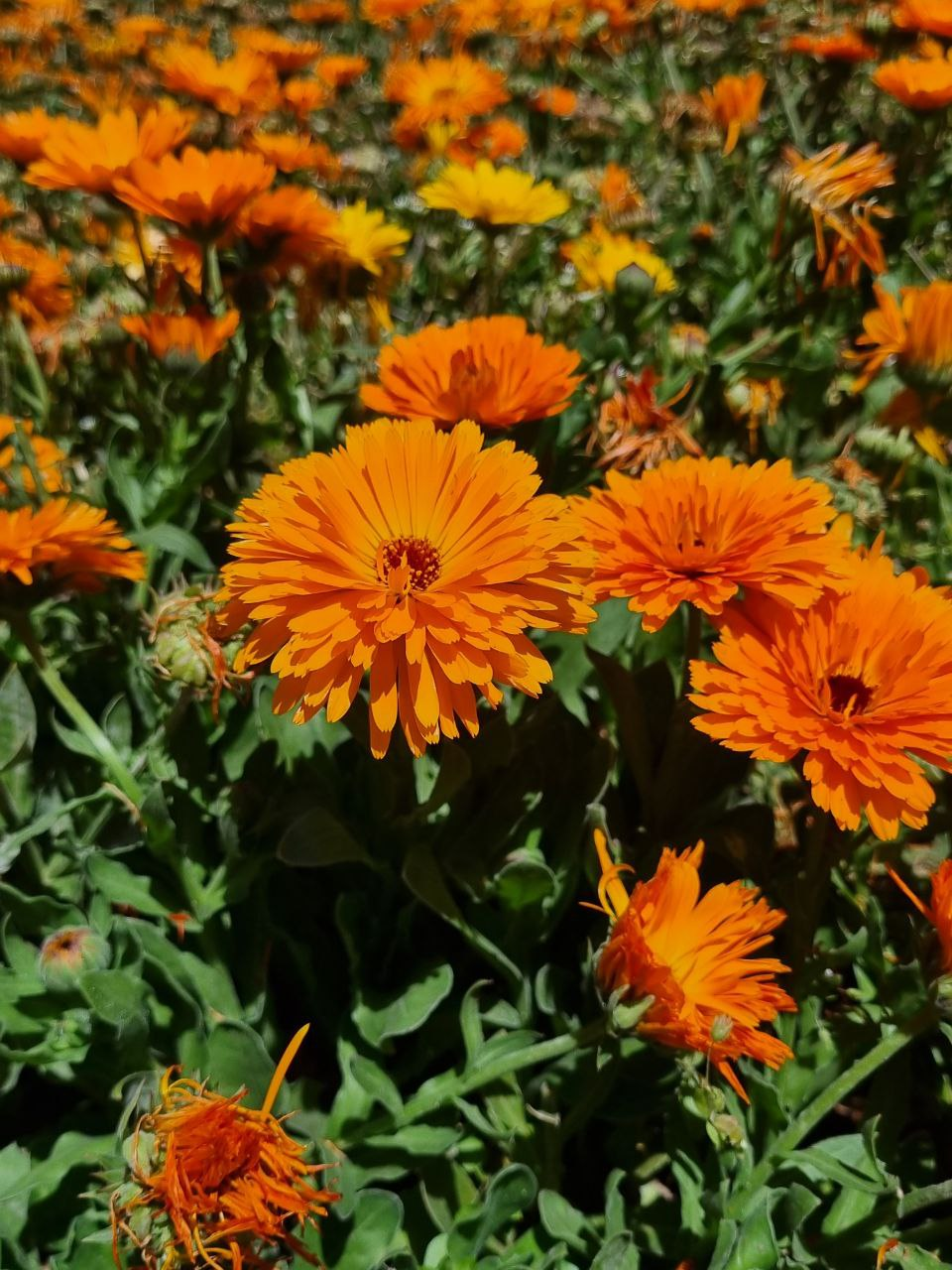
We walked through the historic city, visited Hafez and Saadi, and spent time in Eram Garden and the Arg of Karim Khan. The scale kept changing: a long avenue of cypresses, the shade of a courtyard, a windcatcher above the trees. I helped coordinate the trip with a team, but what I remember most is being there with my classmates.
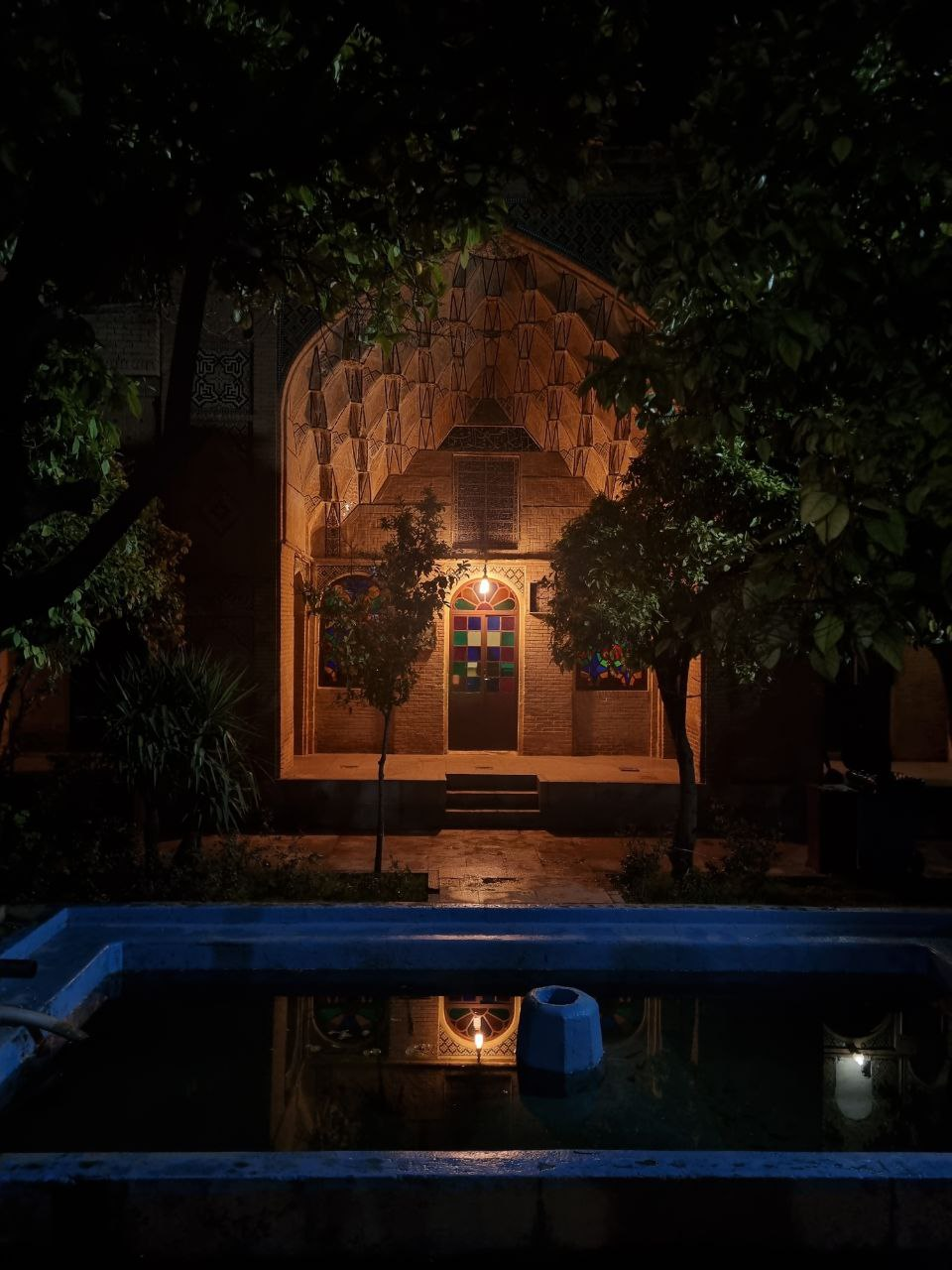
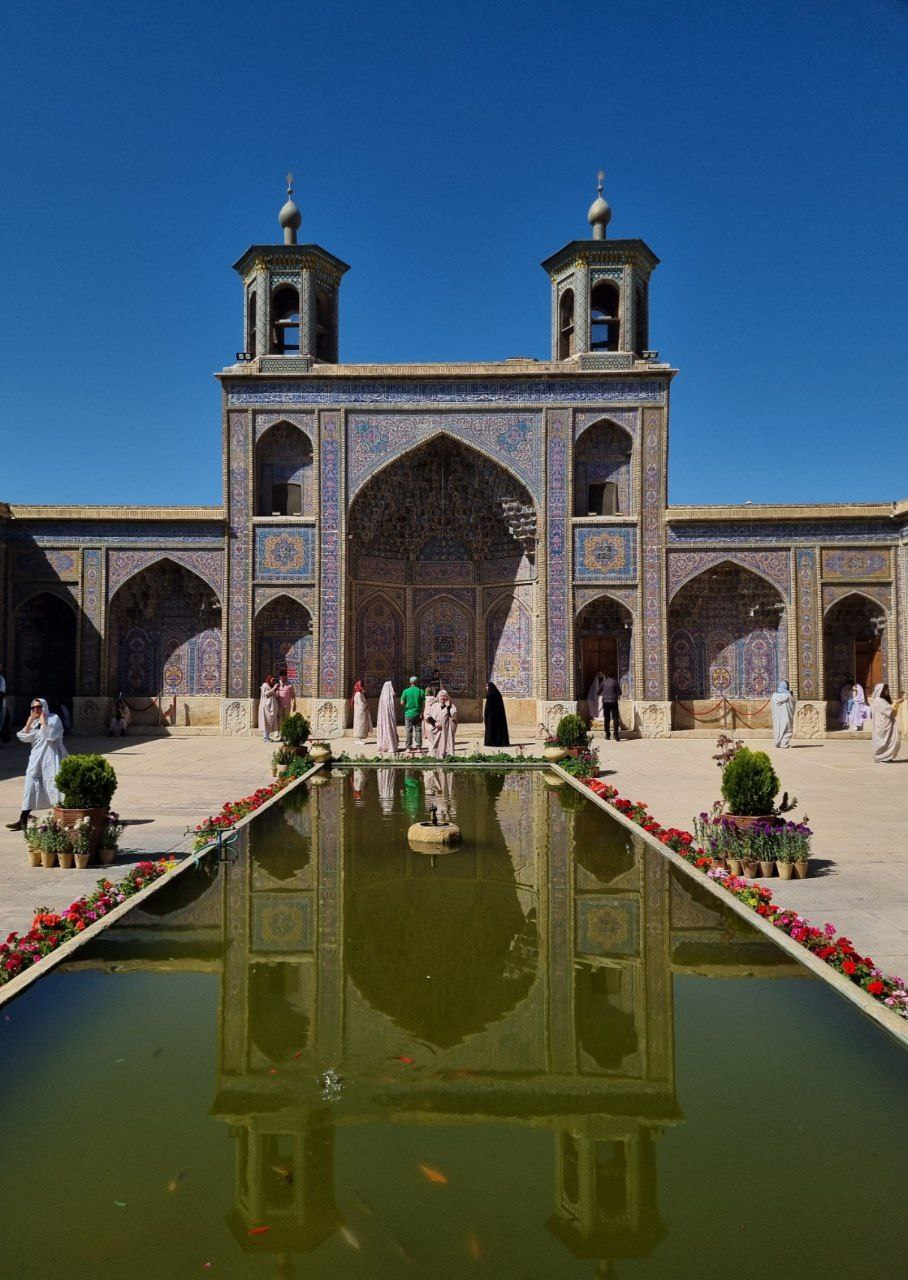
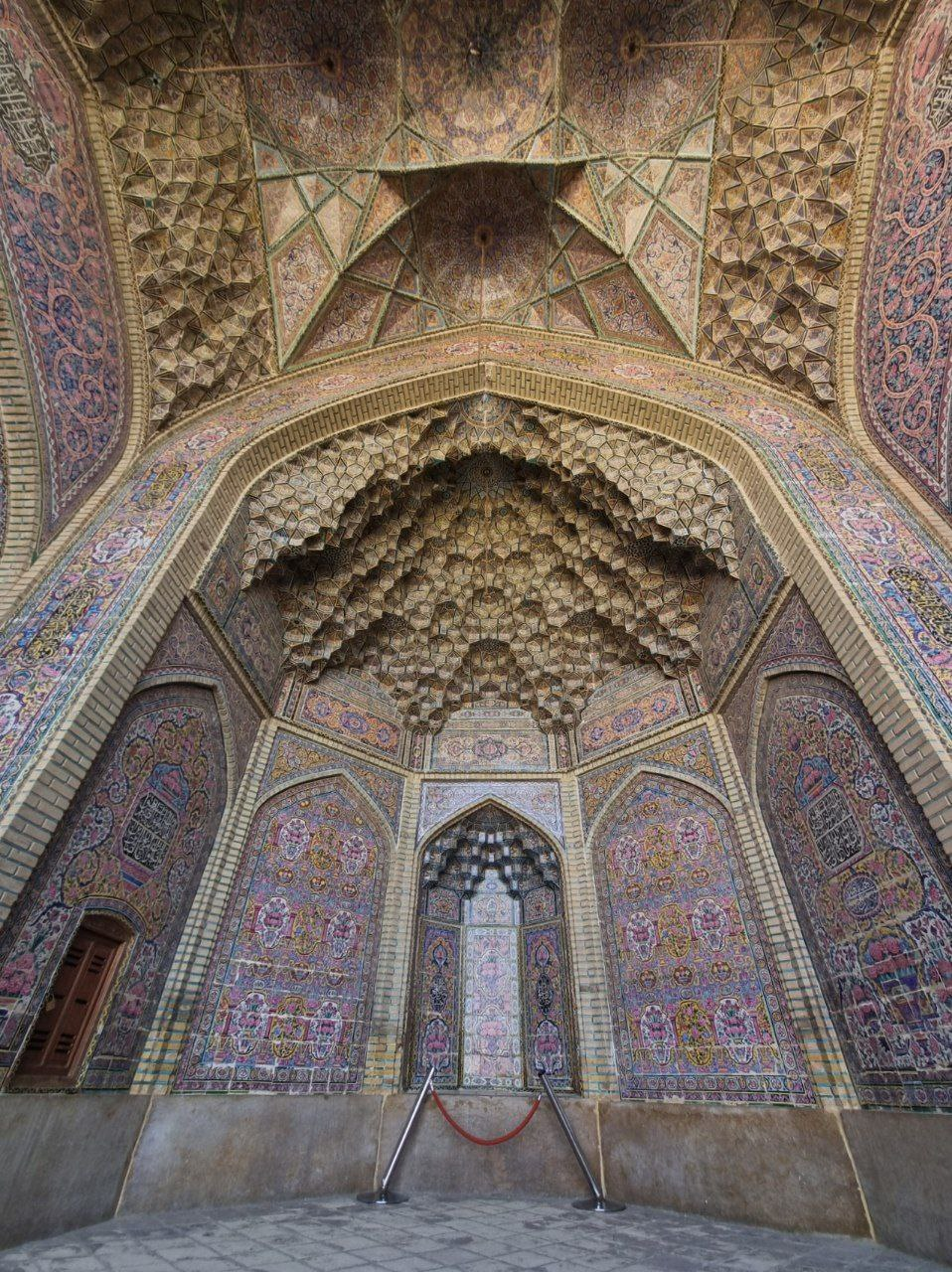
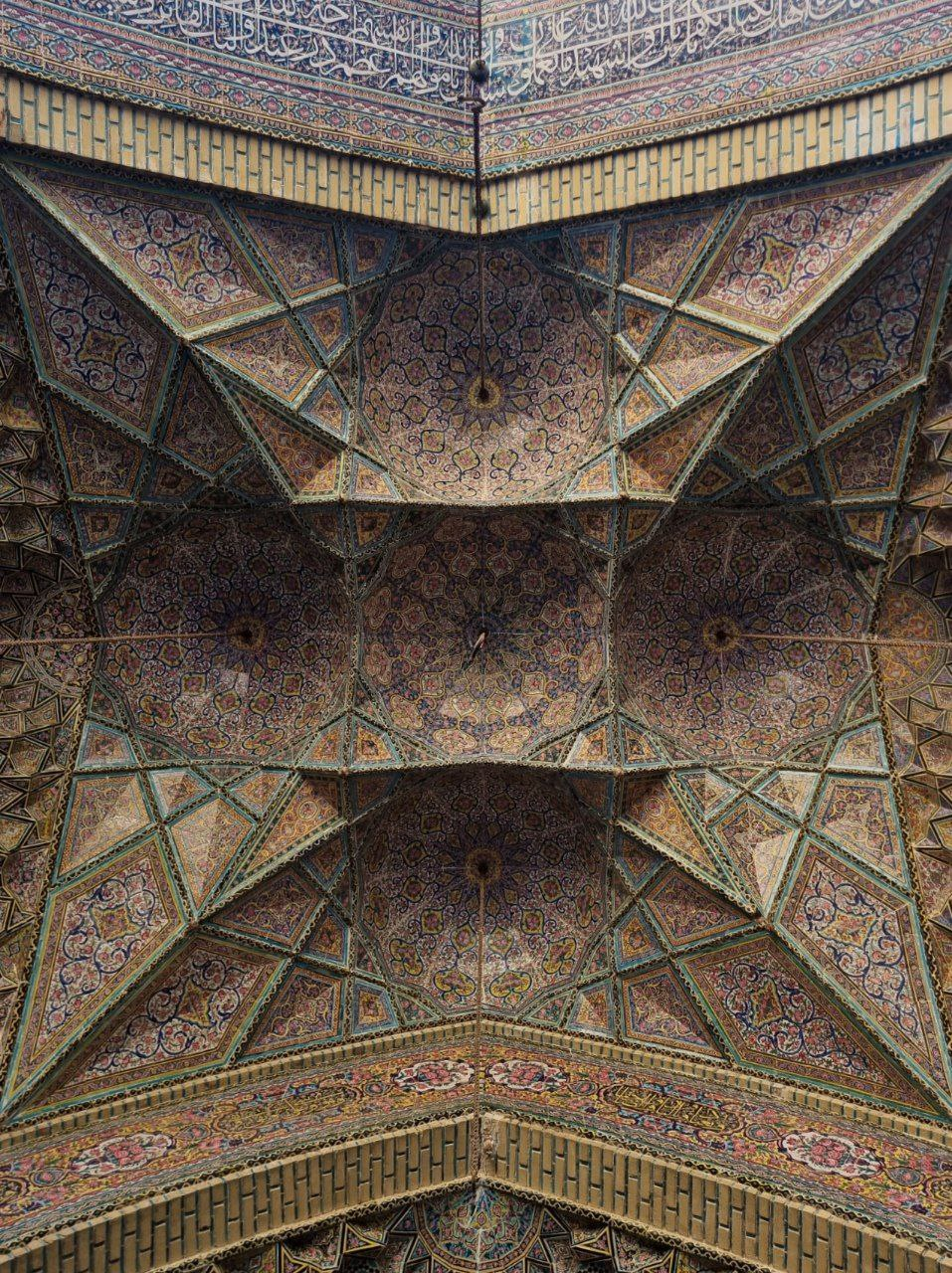
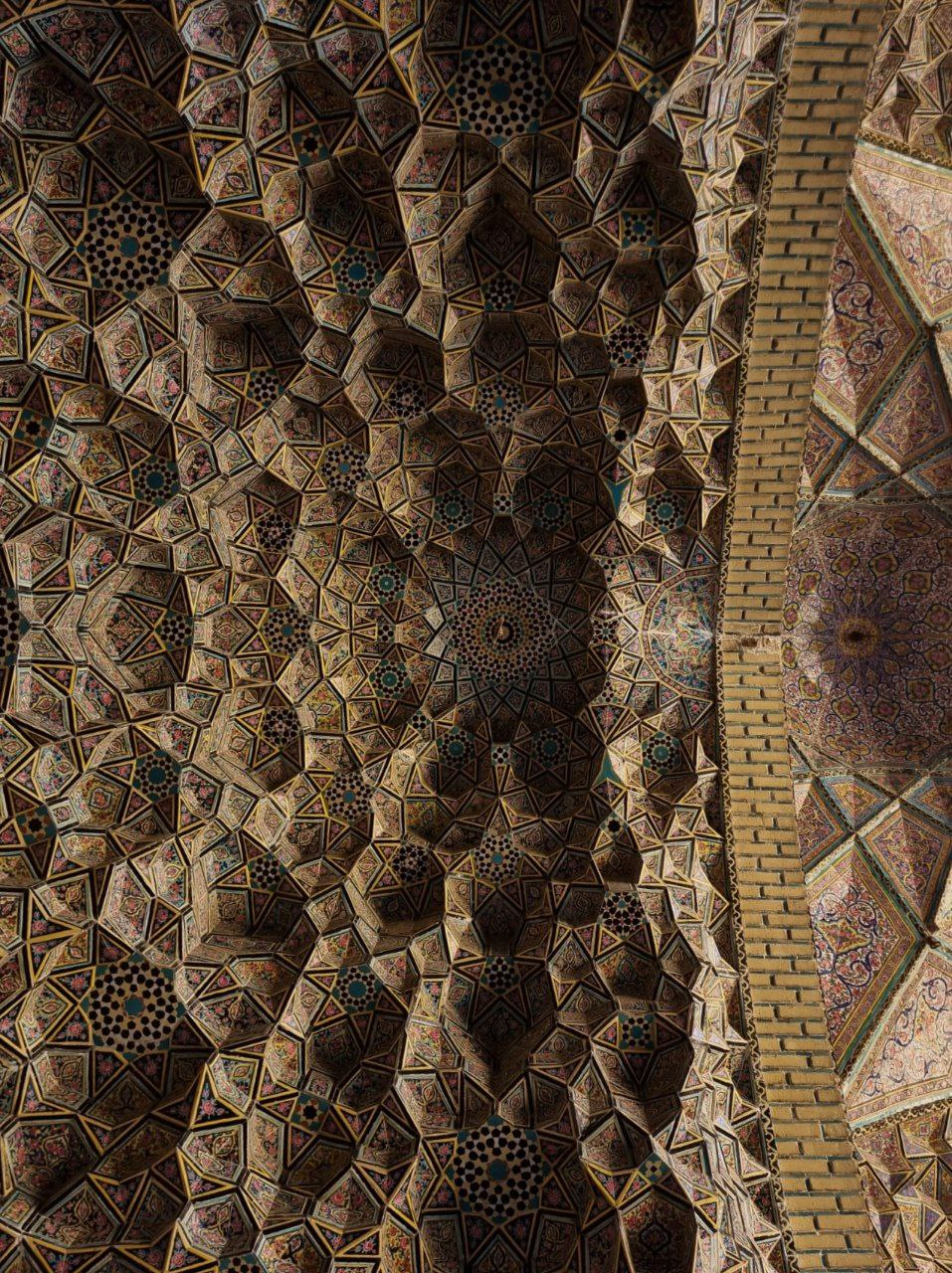
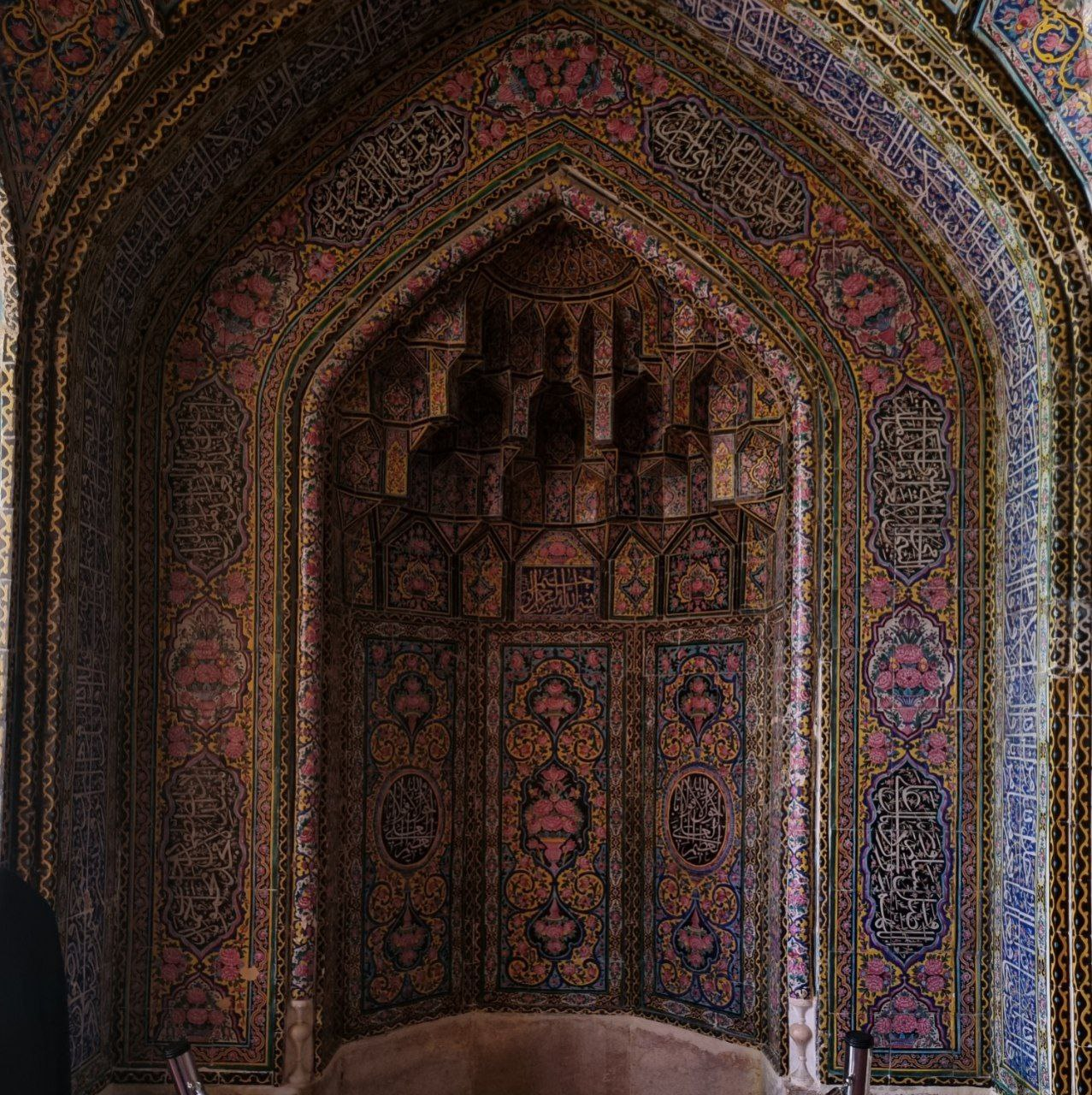
The Pink Mosque, from courtyard to ceiling.
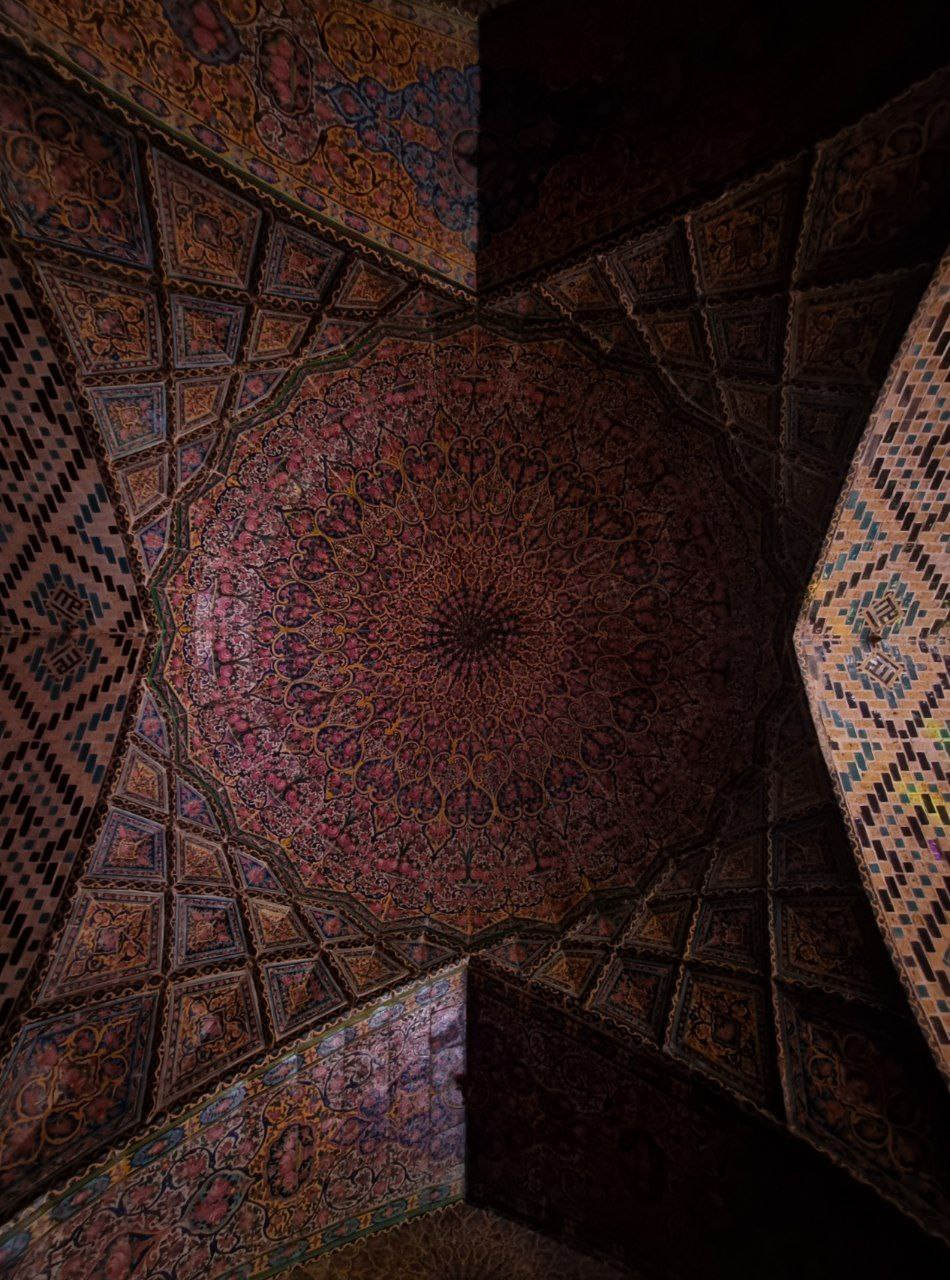
At Nasir al-Mulk, I kept looking up. The photographs move from the courtyard and its reflection to the vaults, tiled surfaces and muqarnas overhead. Seen together, the larger spaces and the closely framed details show how many different geometries occupy the same building.
Behind the street walls.
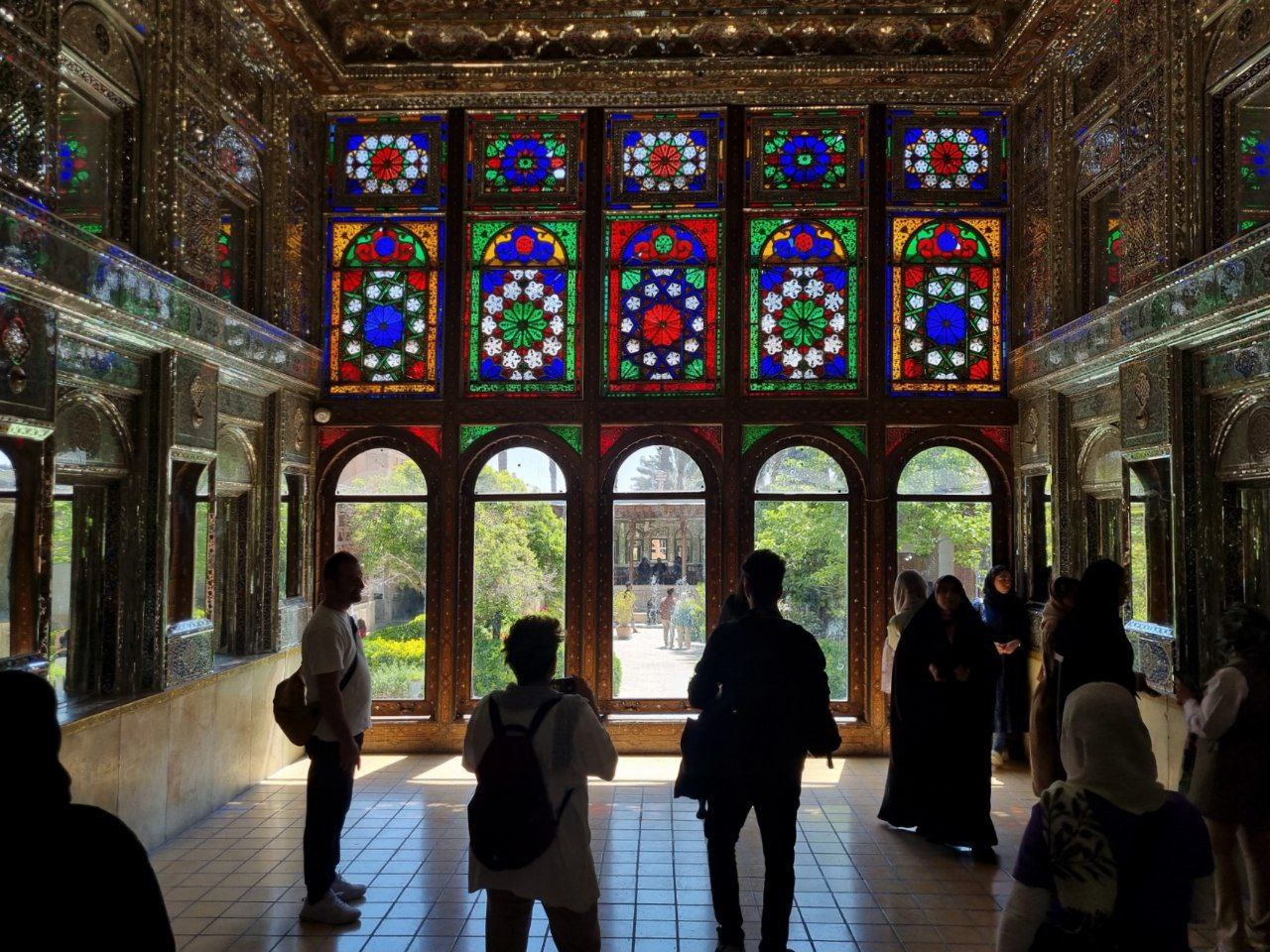
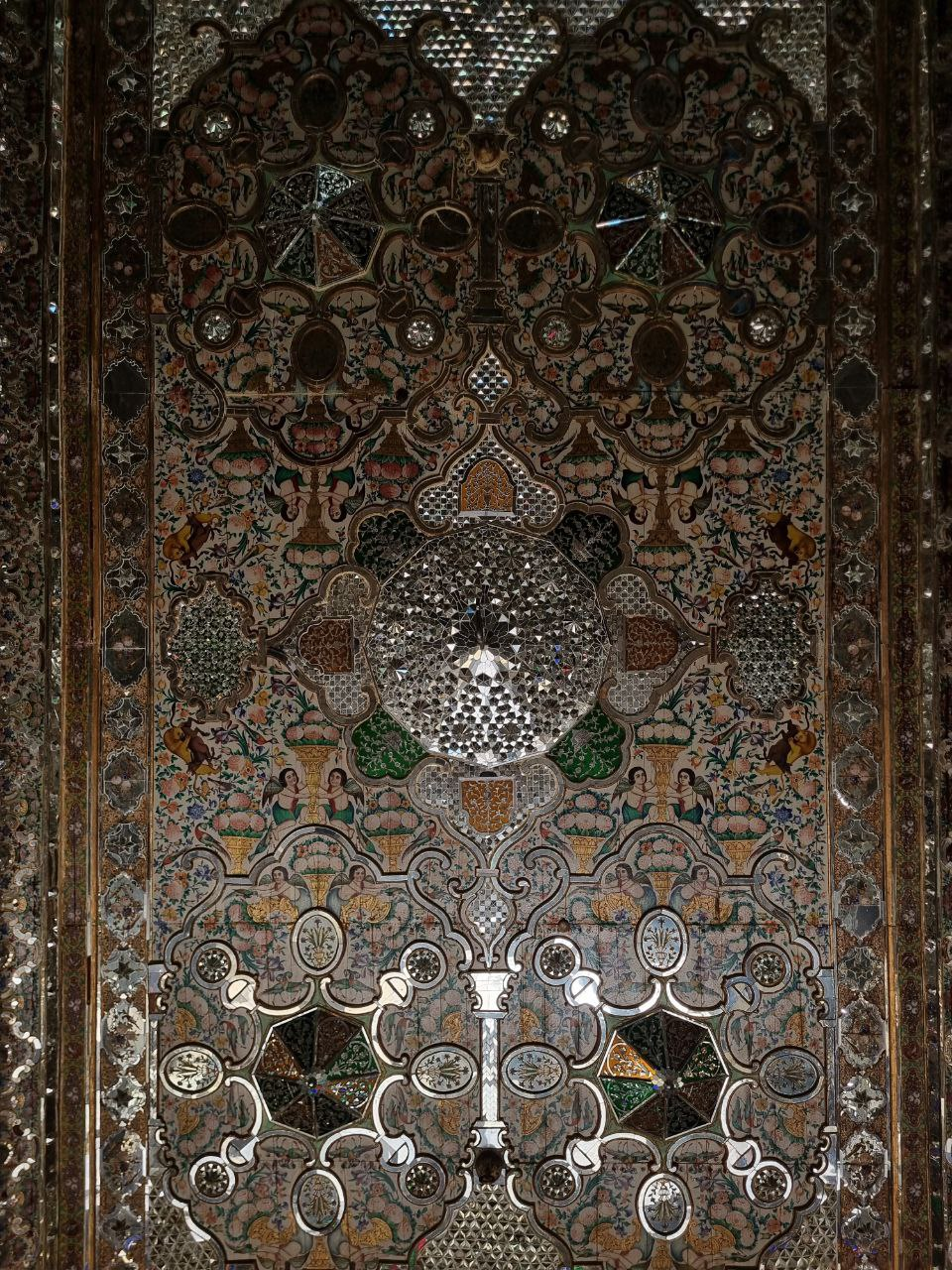
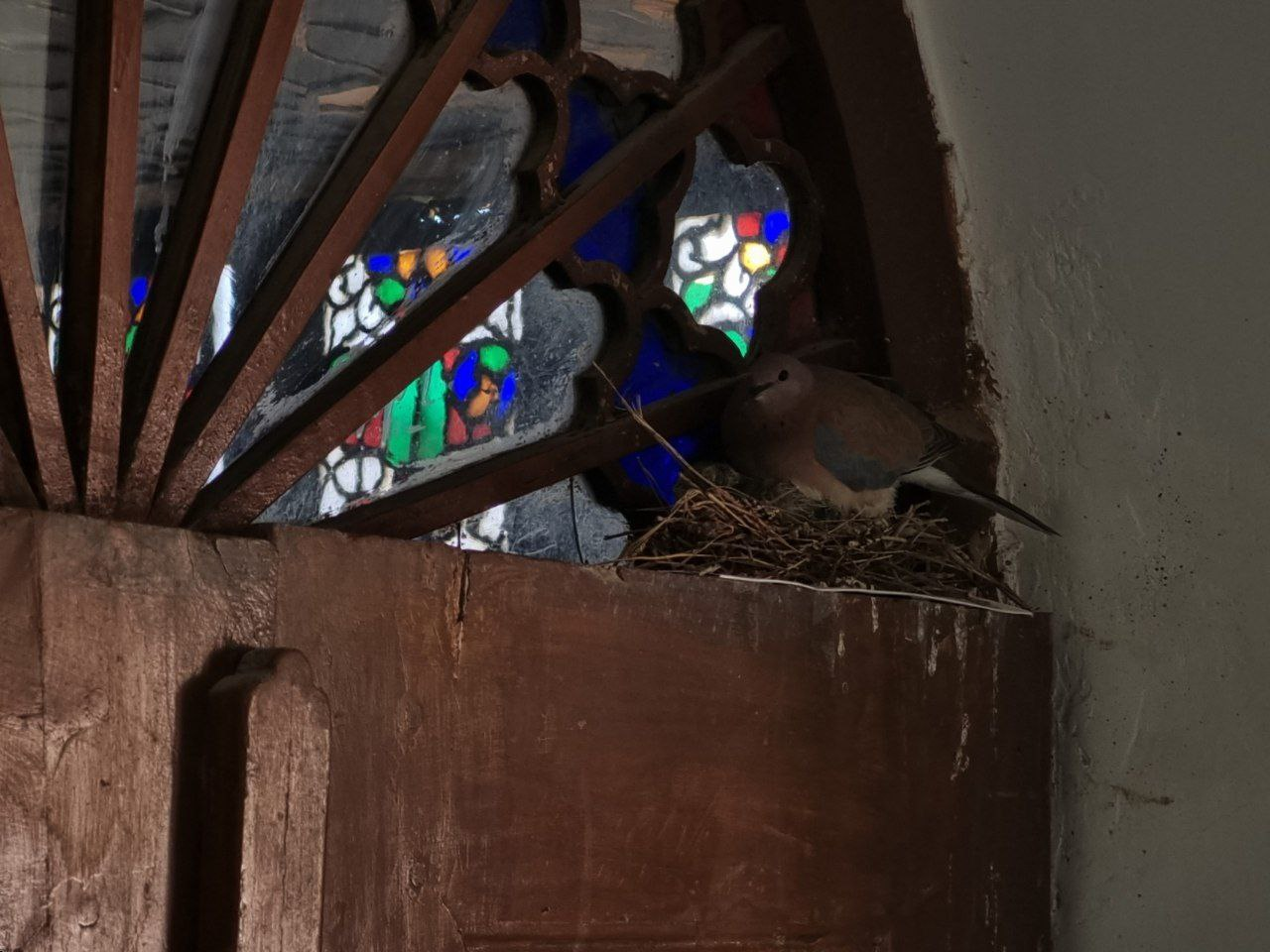
Historic houses opened into rooms of coloured glass, painting and mirrorwork. Elsewhere, we came across a mosque in the old quarter that I remember as abandoned. These walks stay with me alongside the larger monuments. Knowing how much of the historic fabric around Shah Cheragh has been lost gives these photographs another weight.
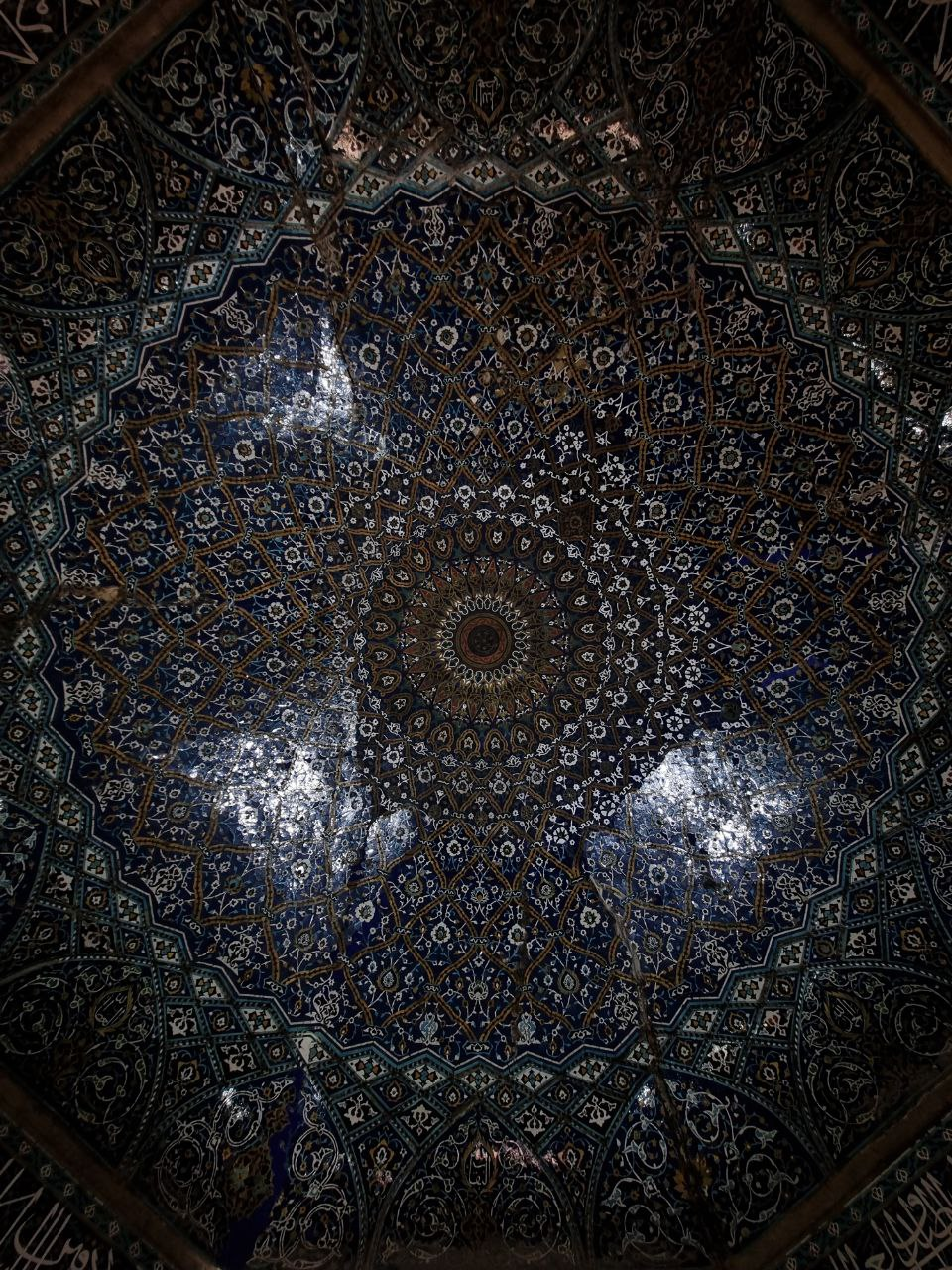
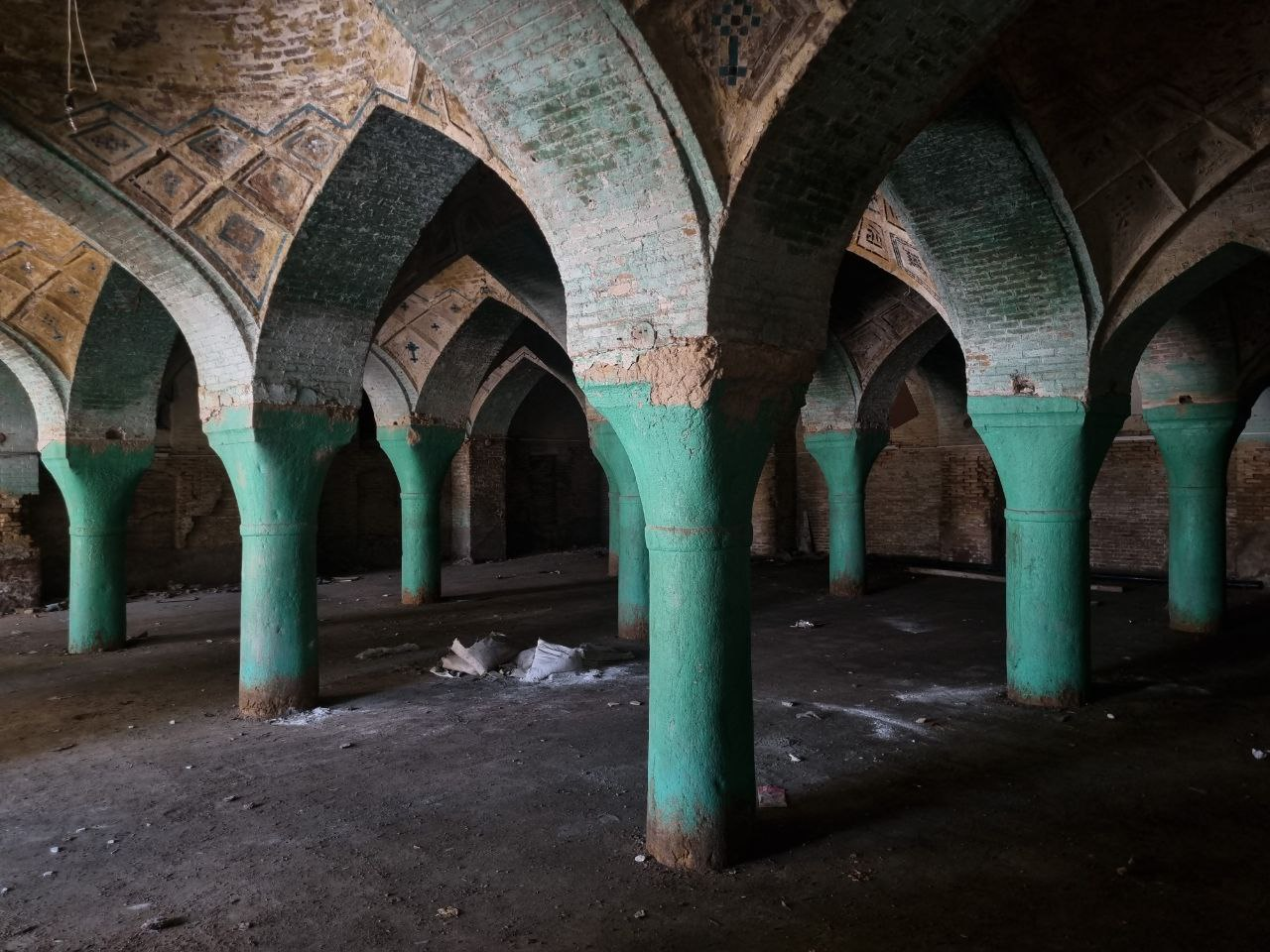
Qal‘eh Dokhtar, then Ardashir.
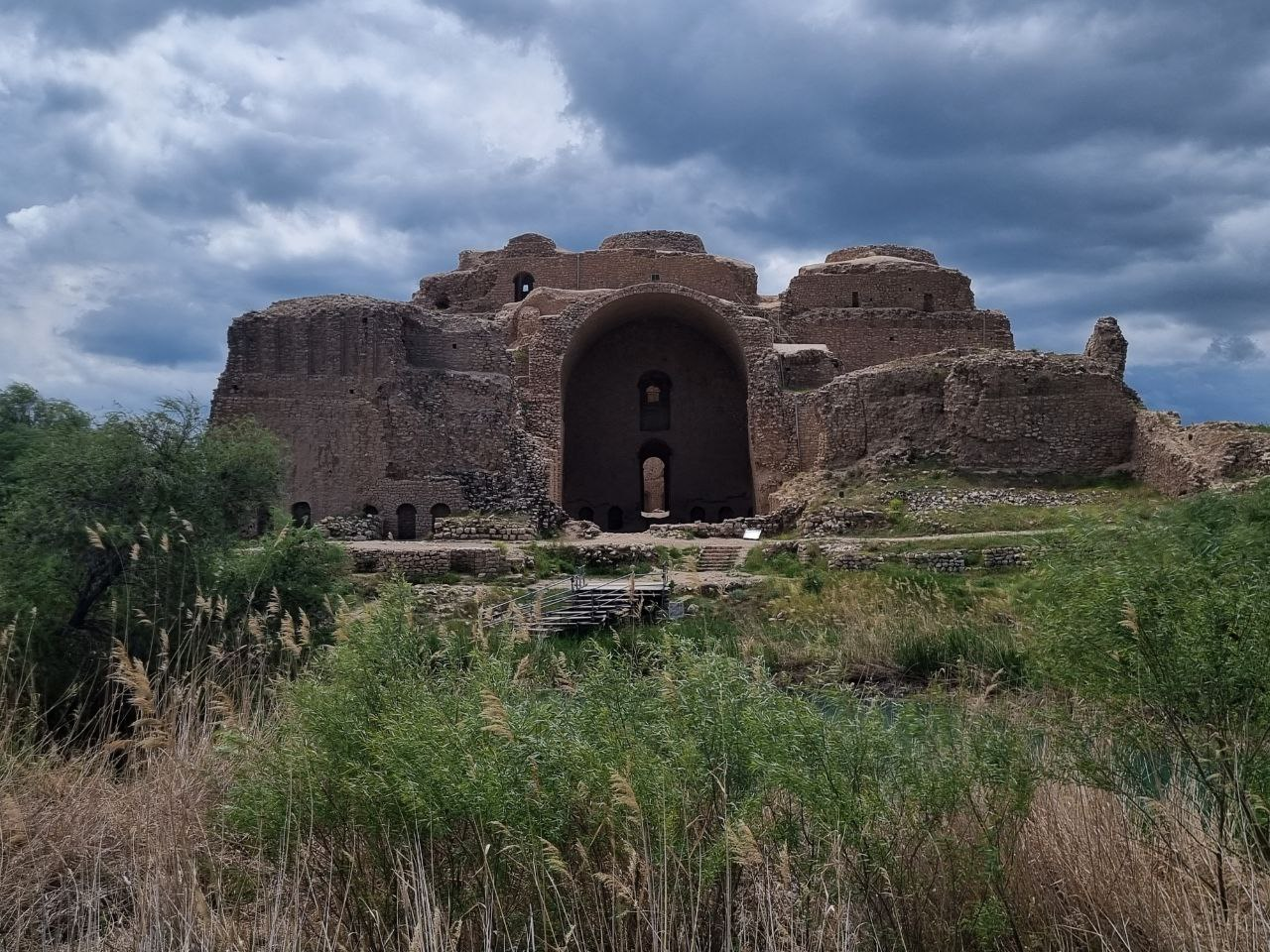
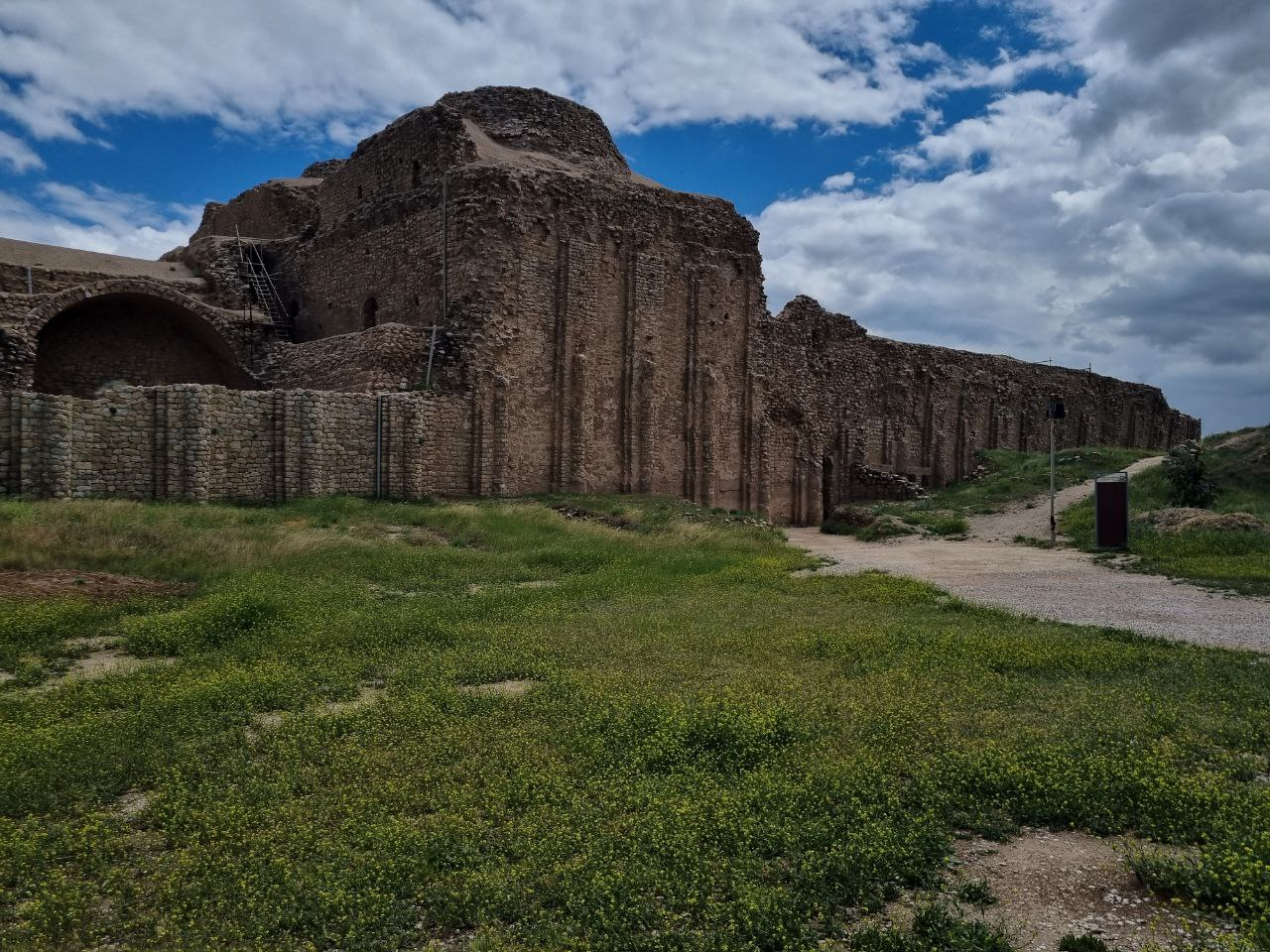
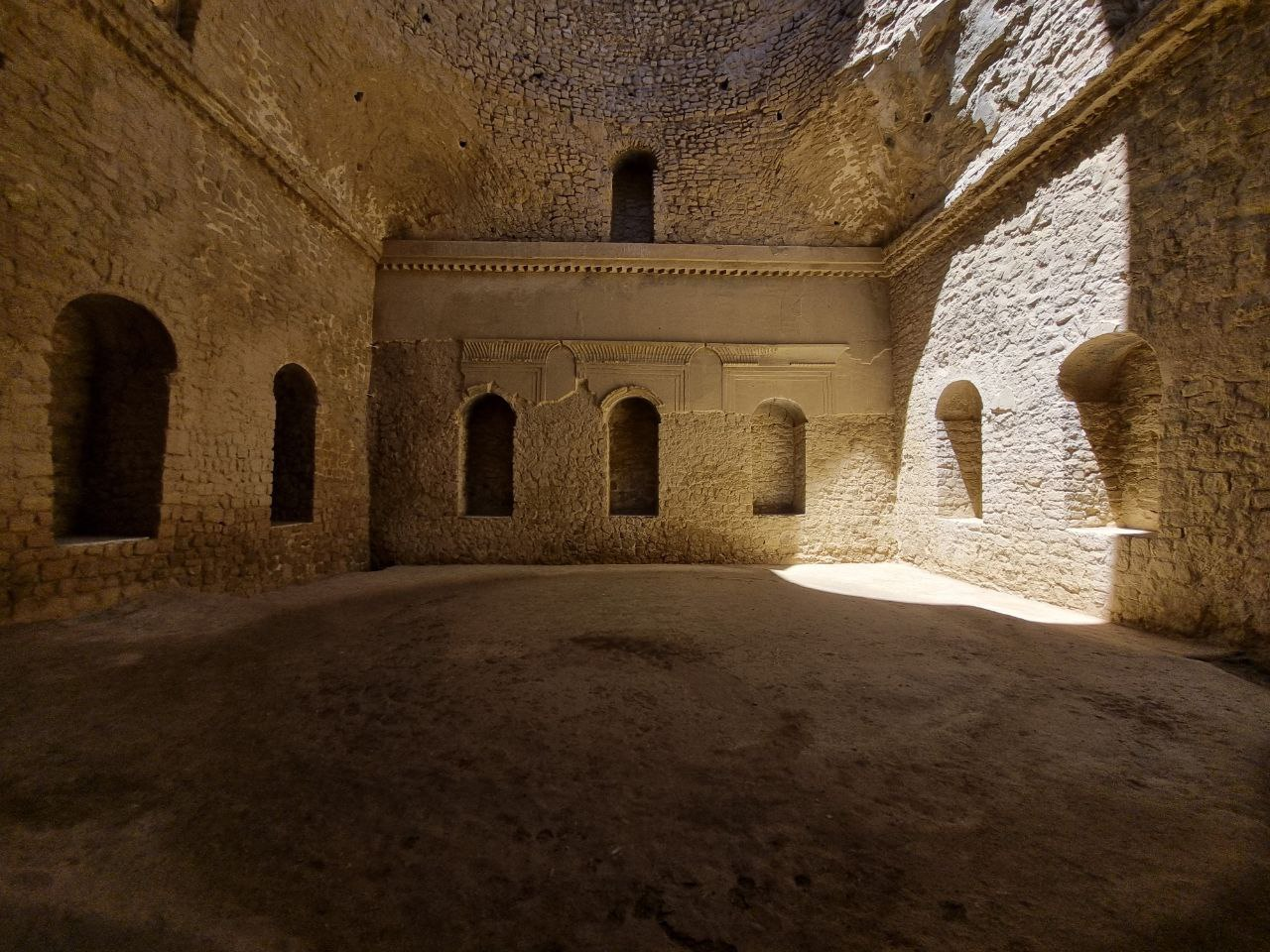
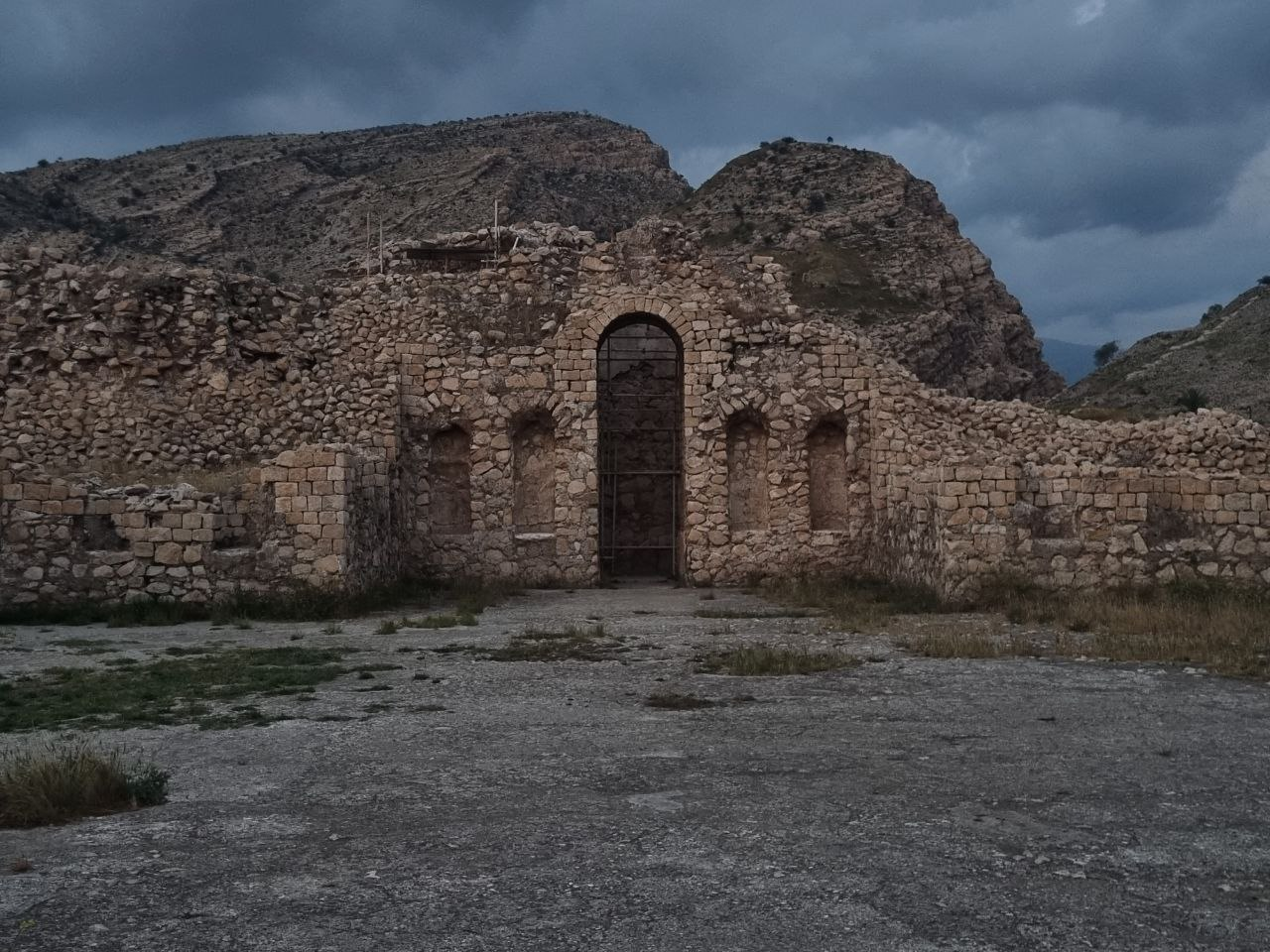
One long day by bus began near Firuzabad. First came Qal‘eh Dokhtar, high above the valley; then the Palace of Ardashir, with its great vaulted entrance facing the spring-fed pool. Inside, the walls, niches and surviving dome made the construction much easier to understand than a plan alone.
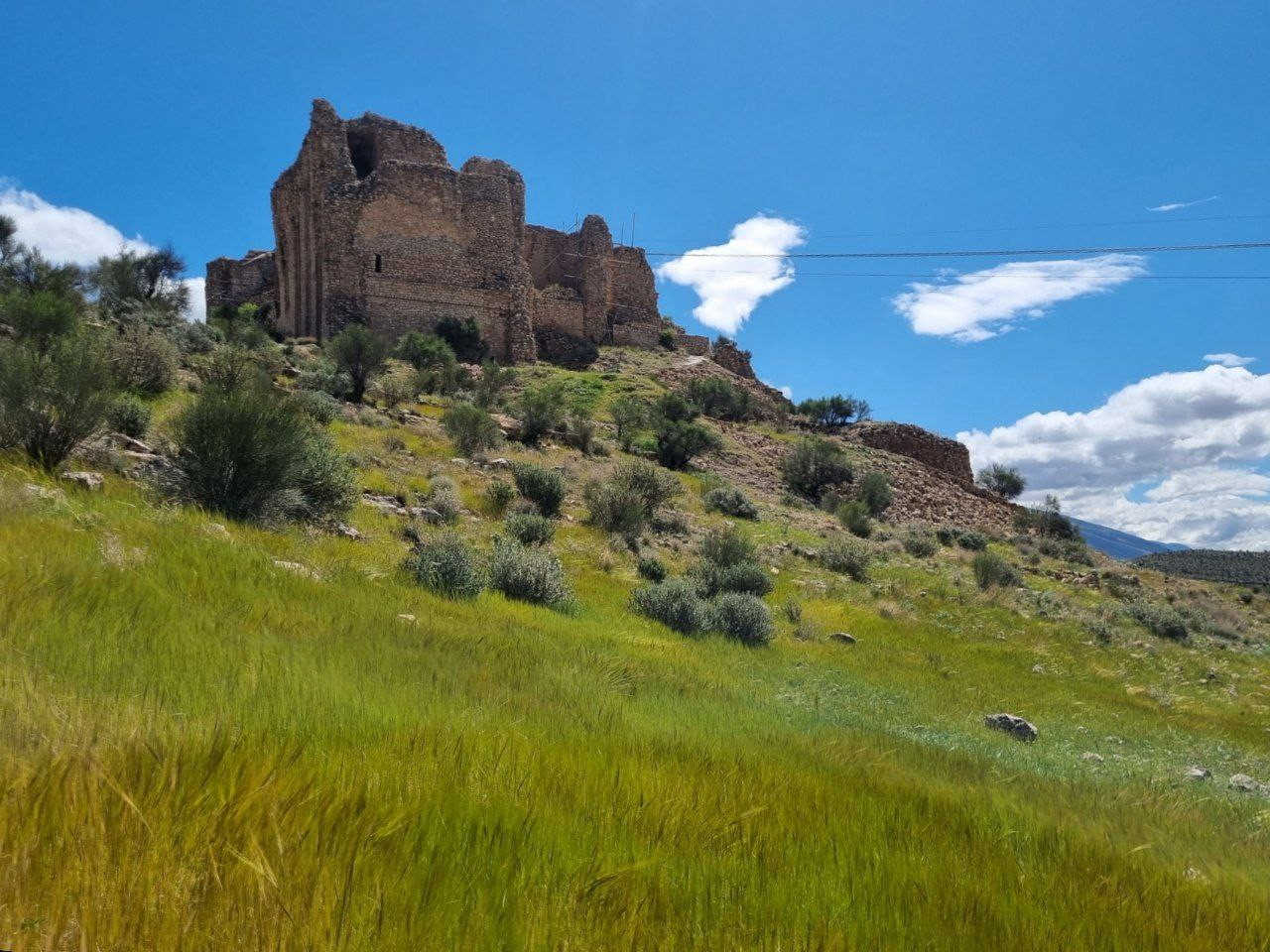
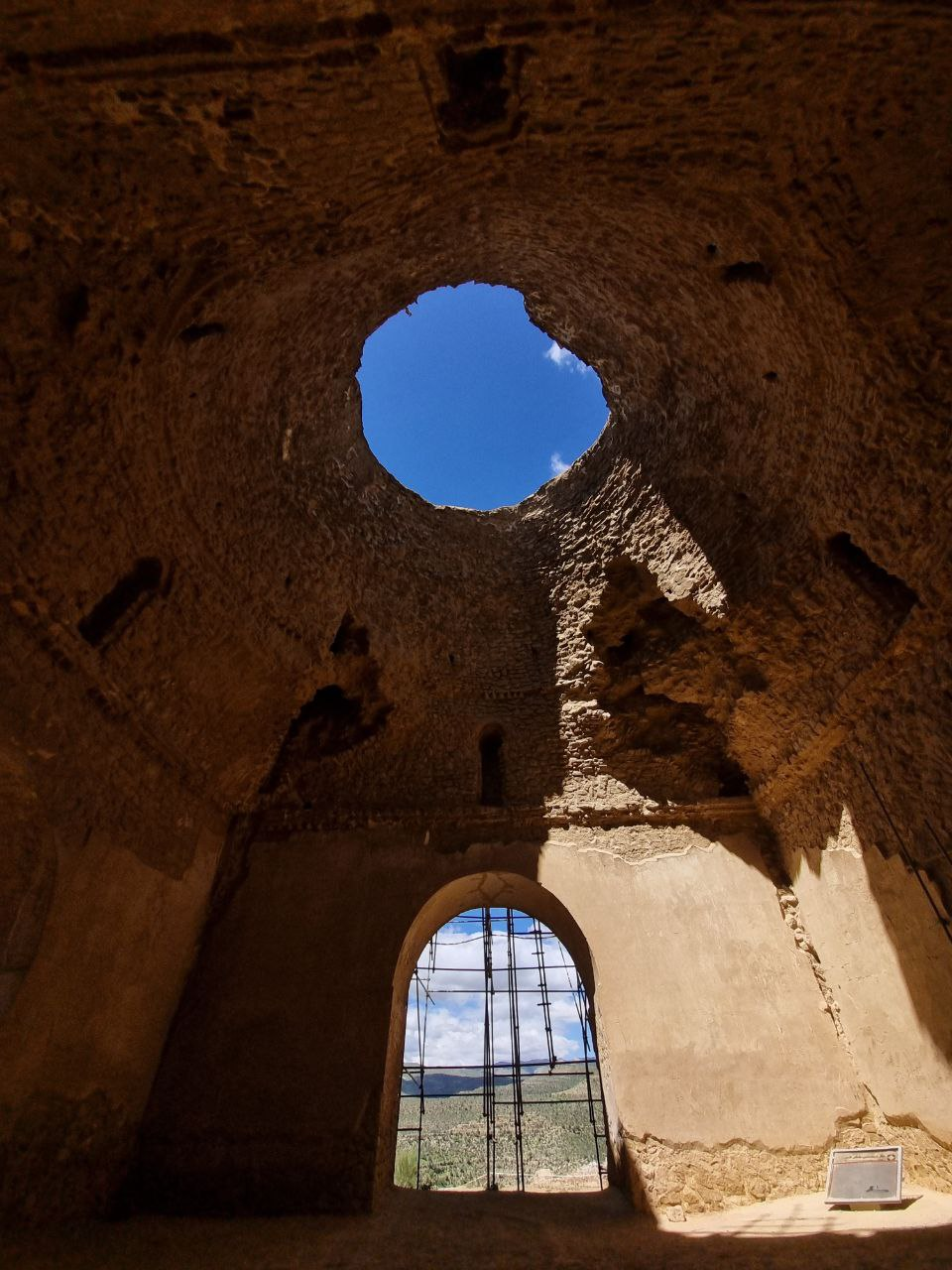
A city, and a room for water.
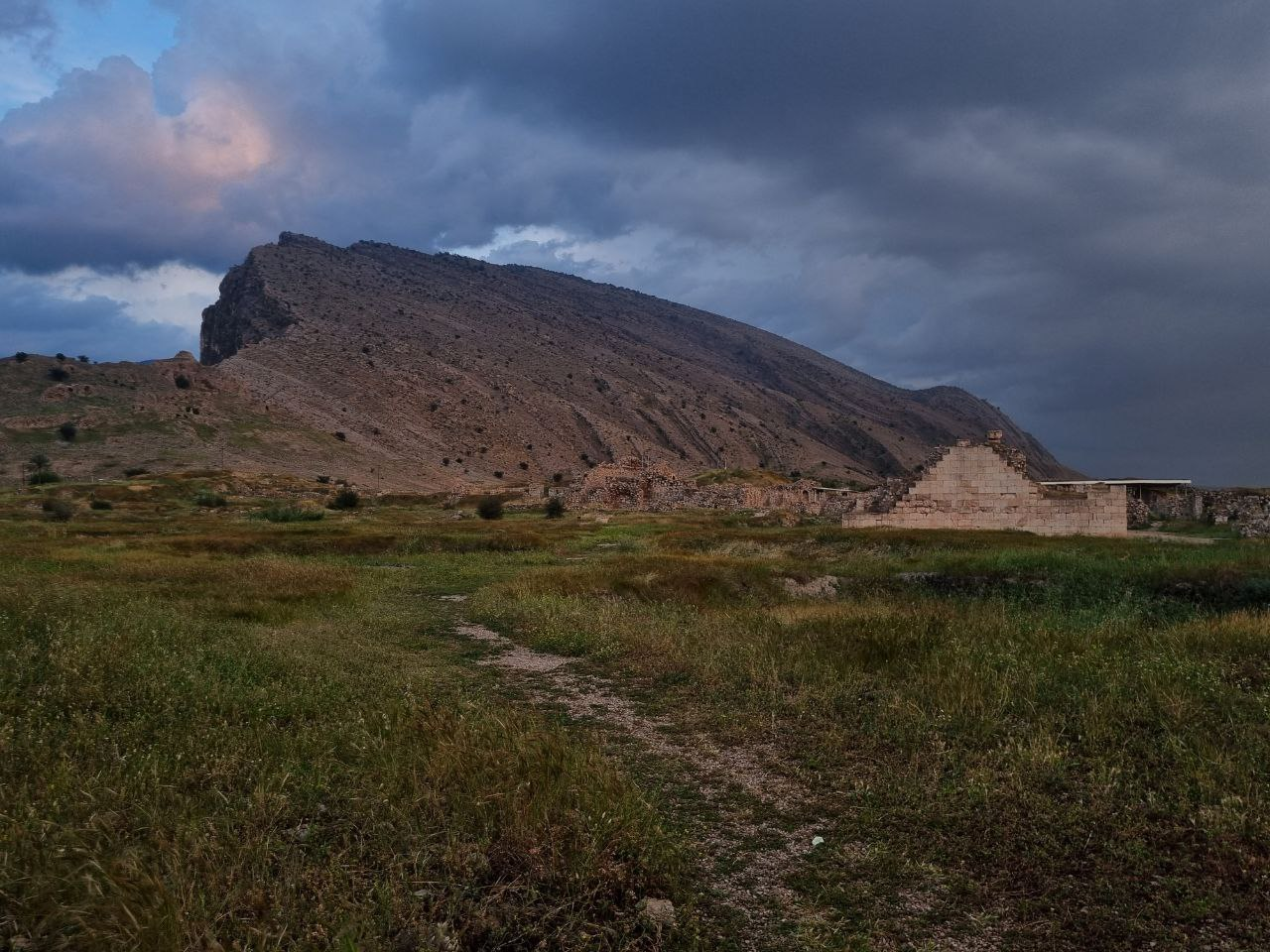
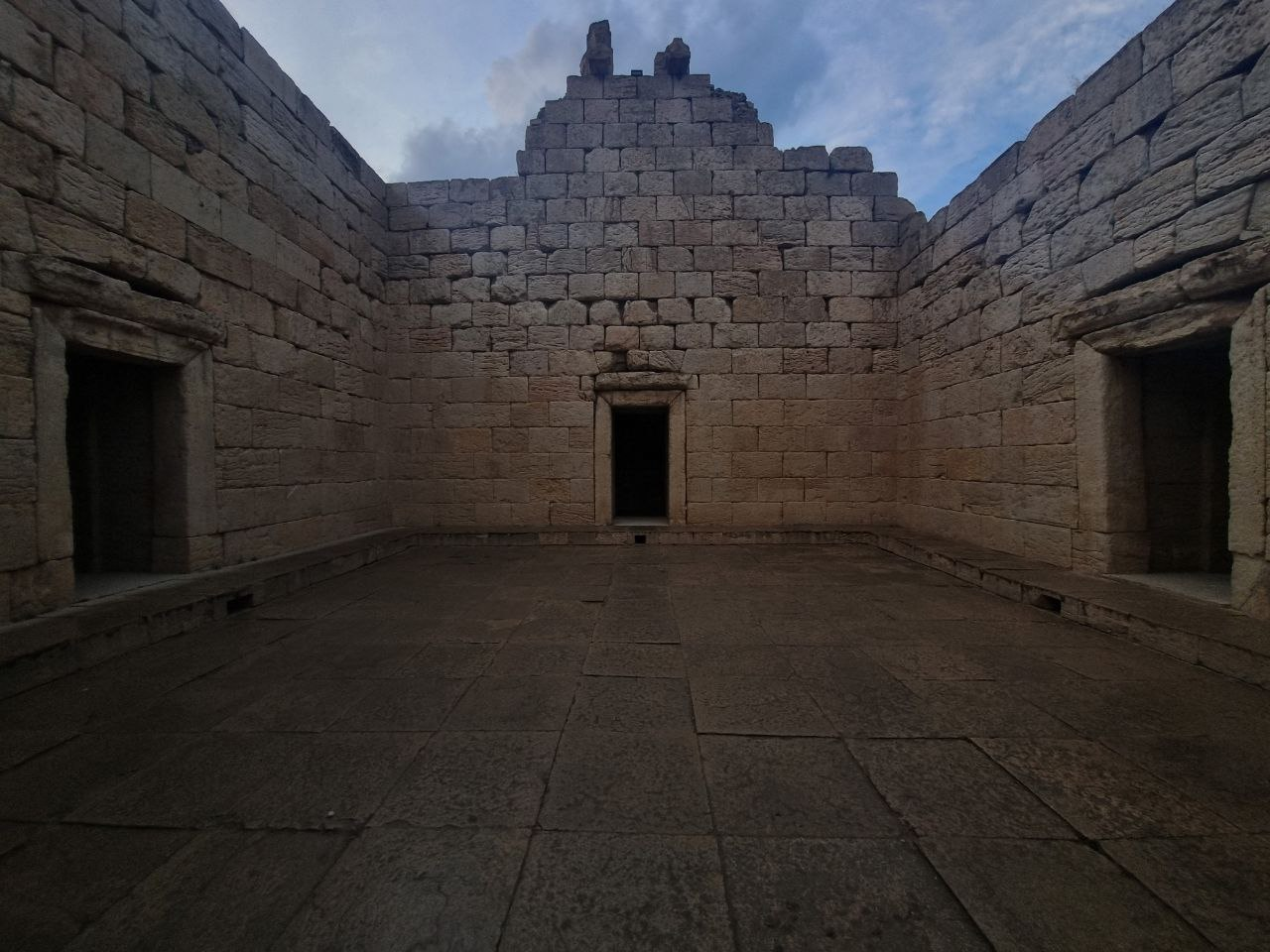
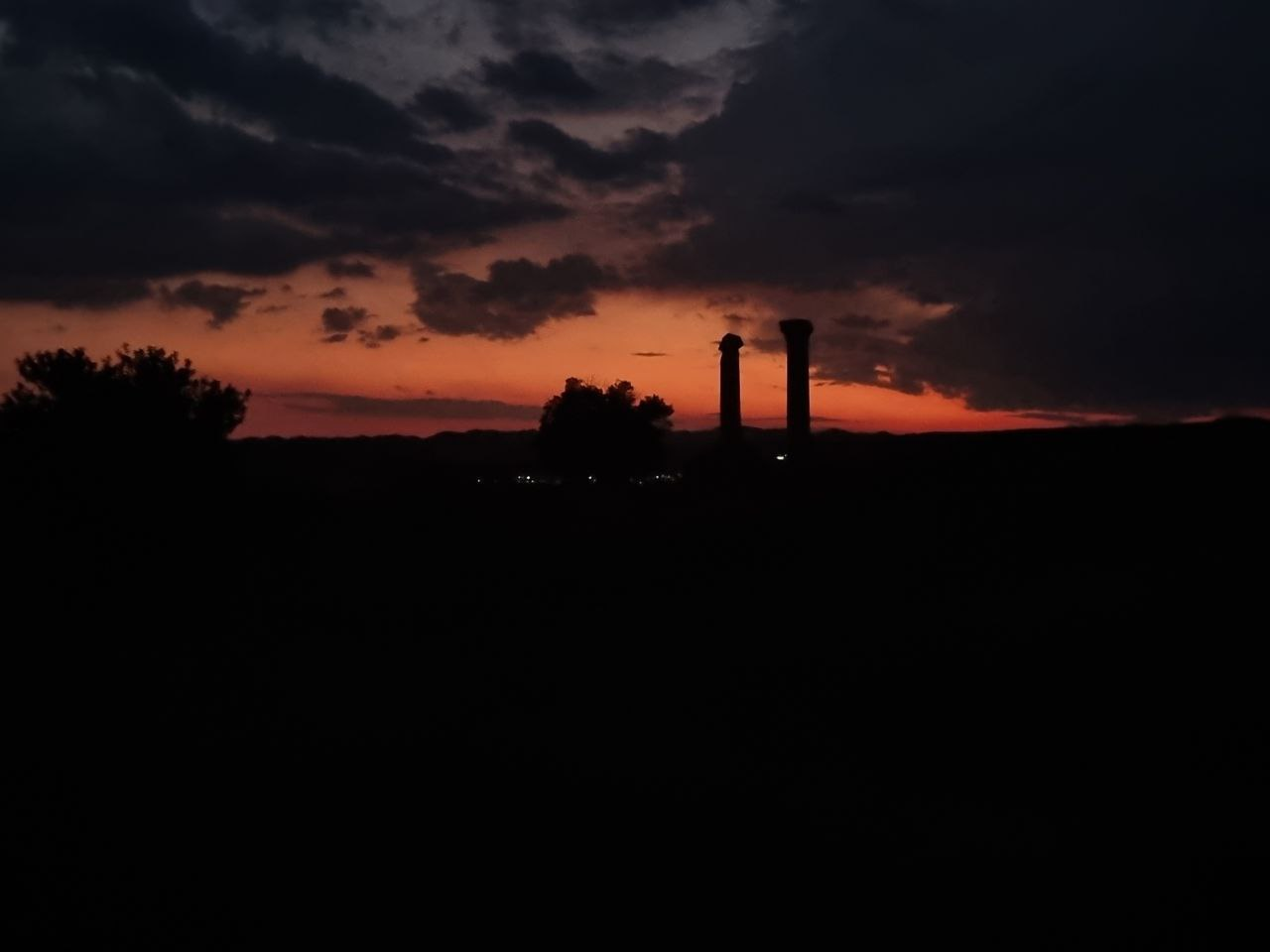
From Firuzabad we continued to Bishapur. The sunken stone chamber is generally known as the Temple of Anahita, associated with the water deity. Around it, the city survives in fragments of walls and columns. By sunset, a pair of columns stood against the last orange light.
Another day, another empire.
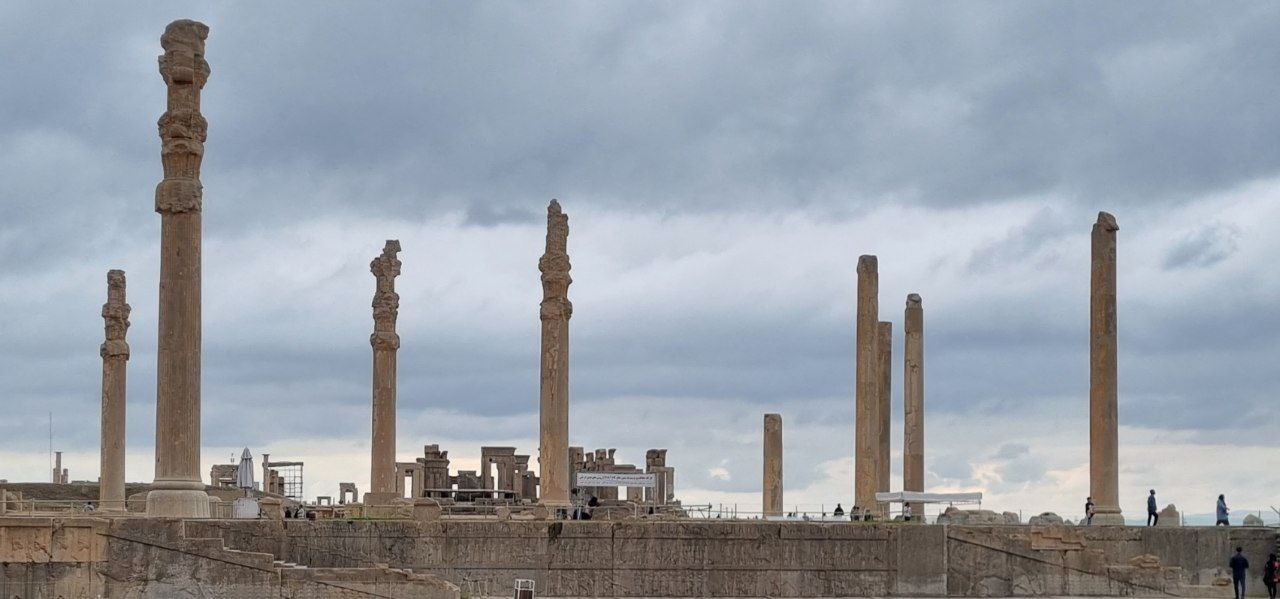
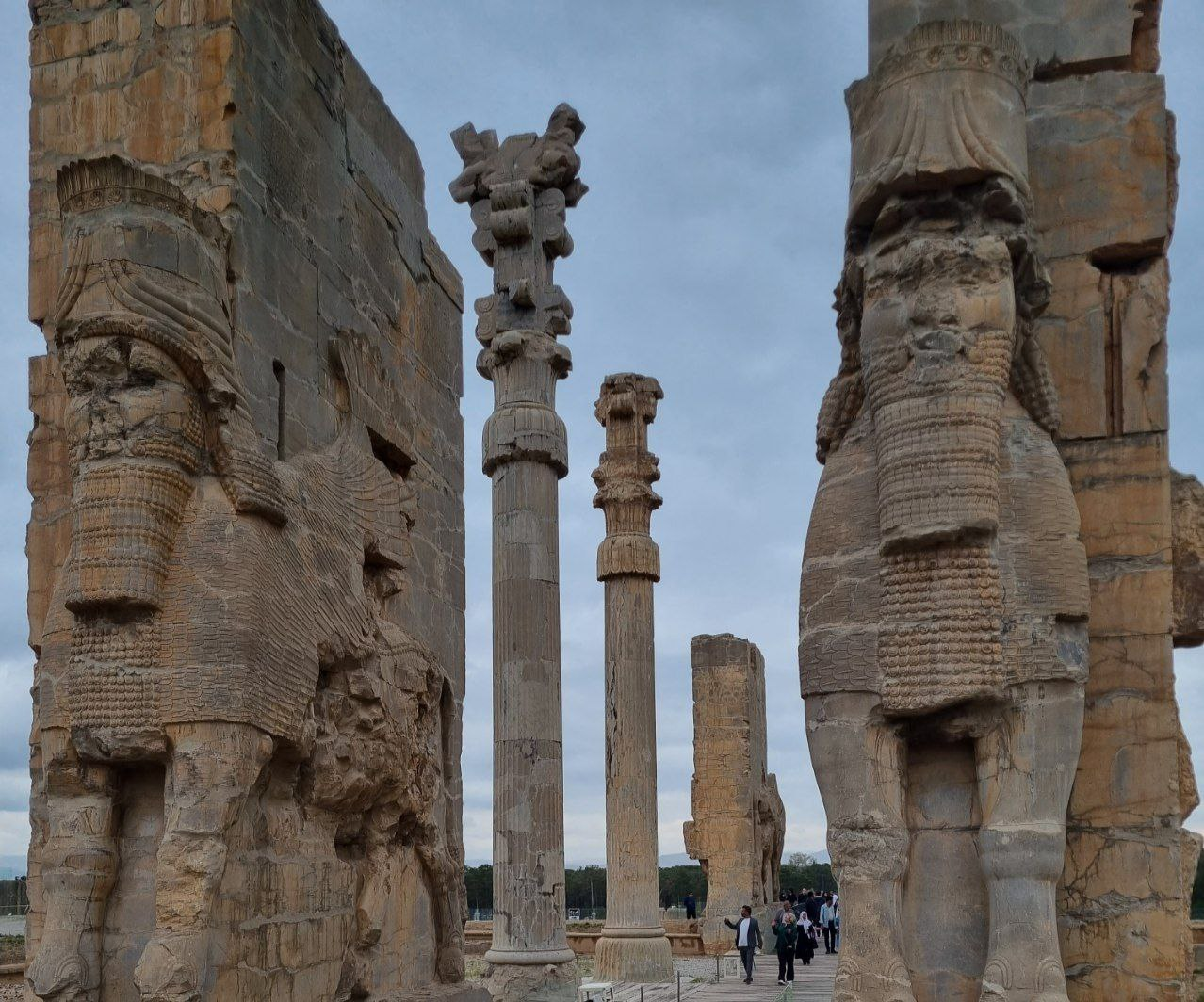
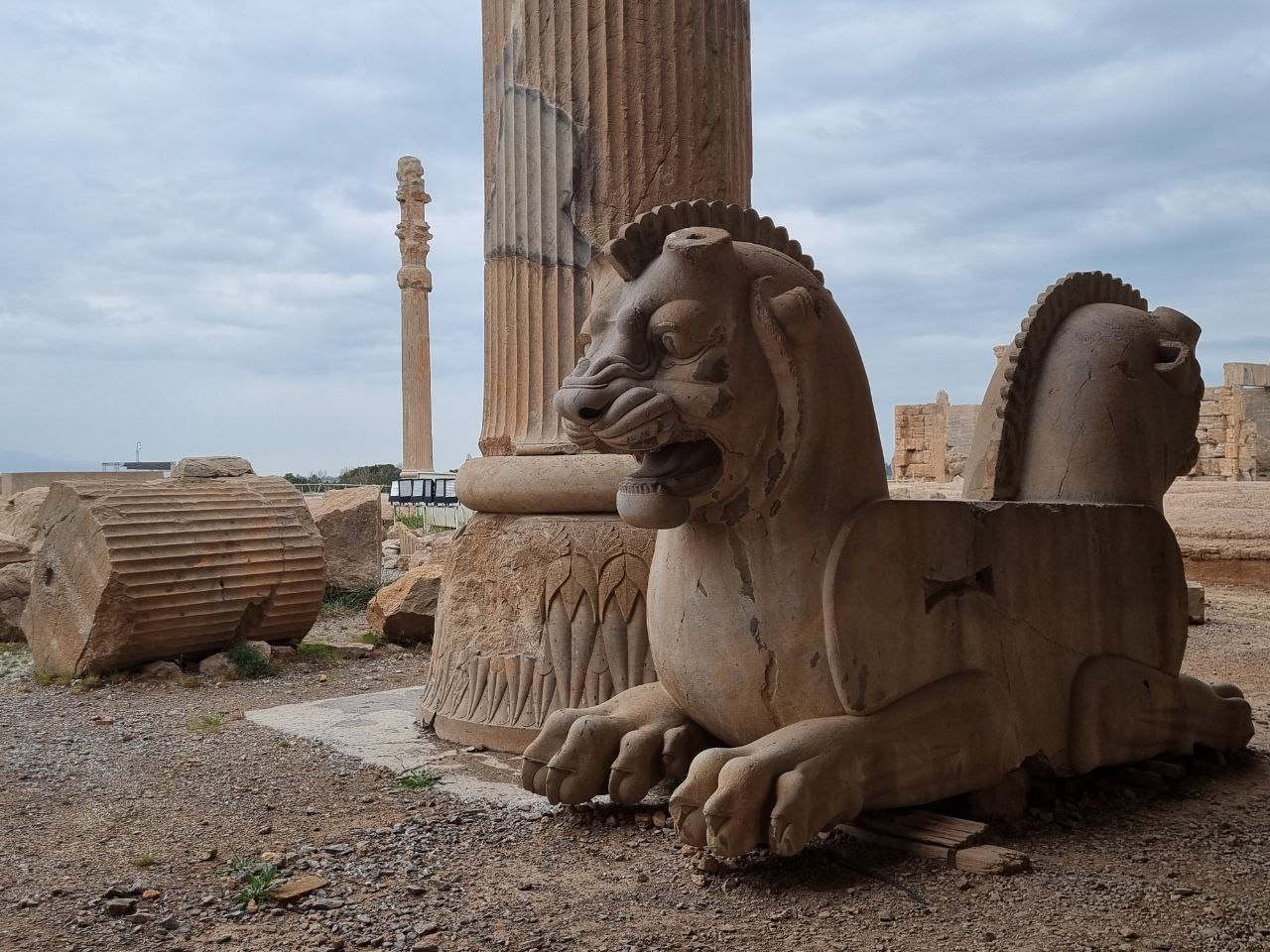
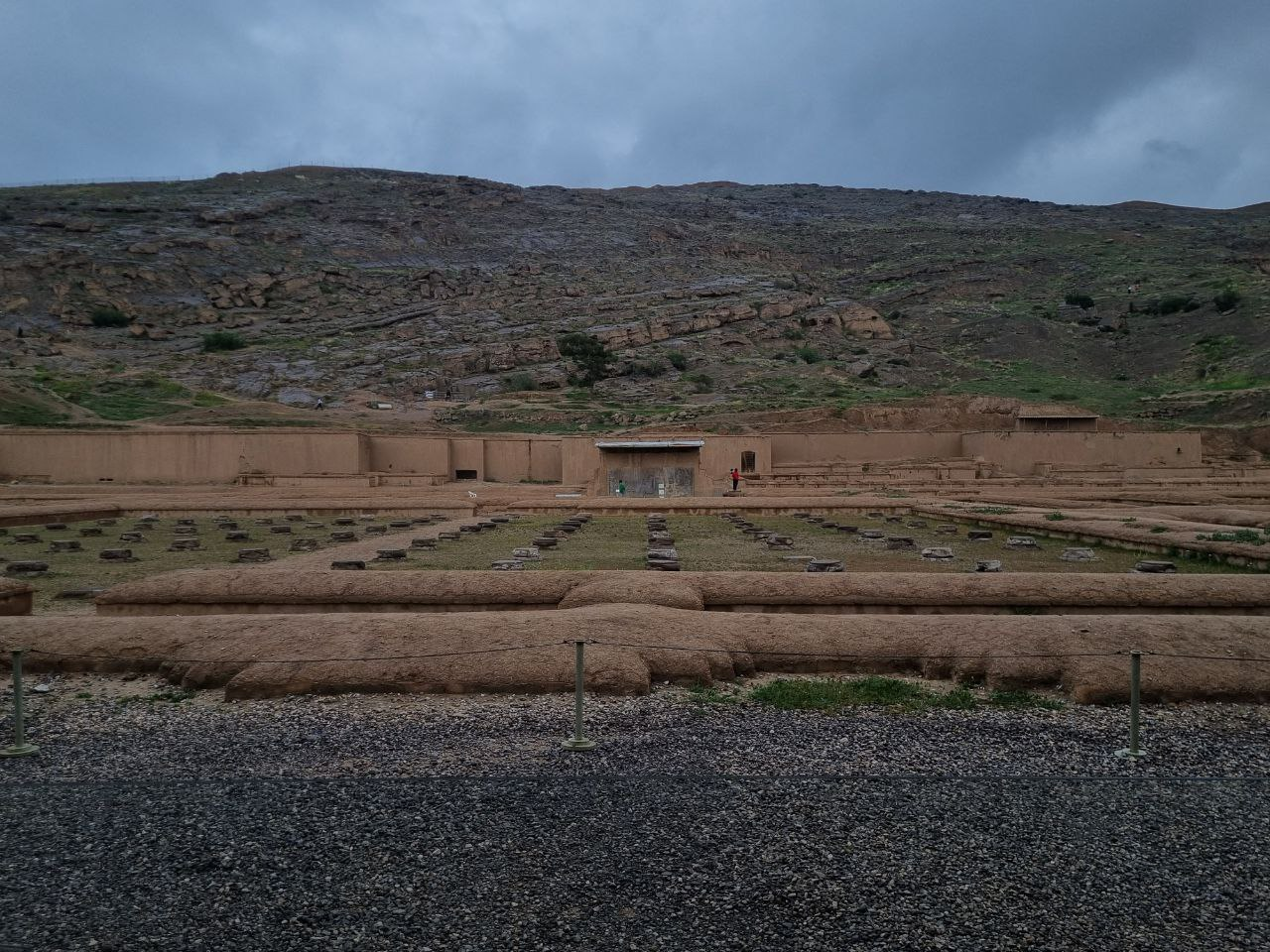
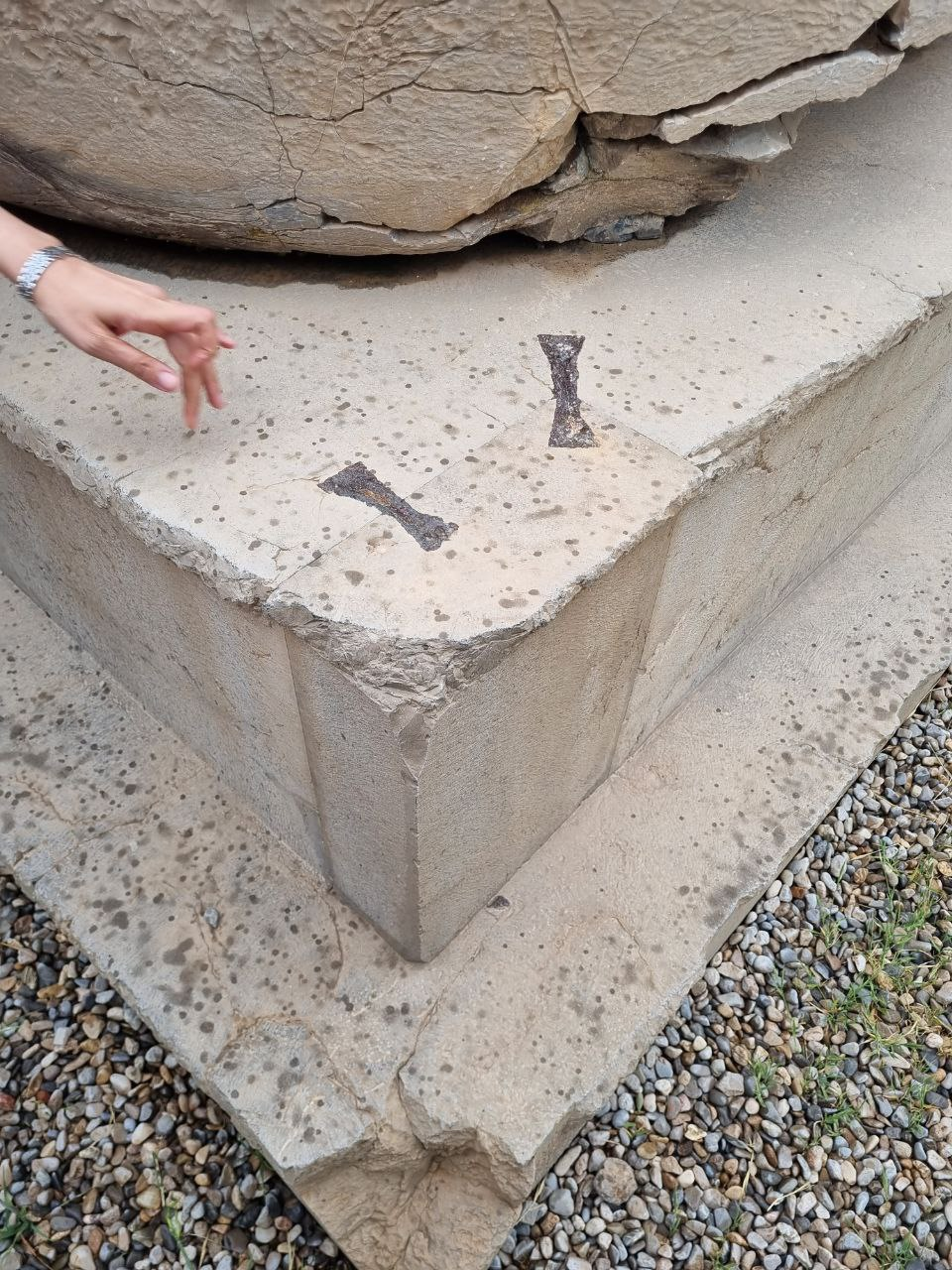
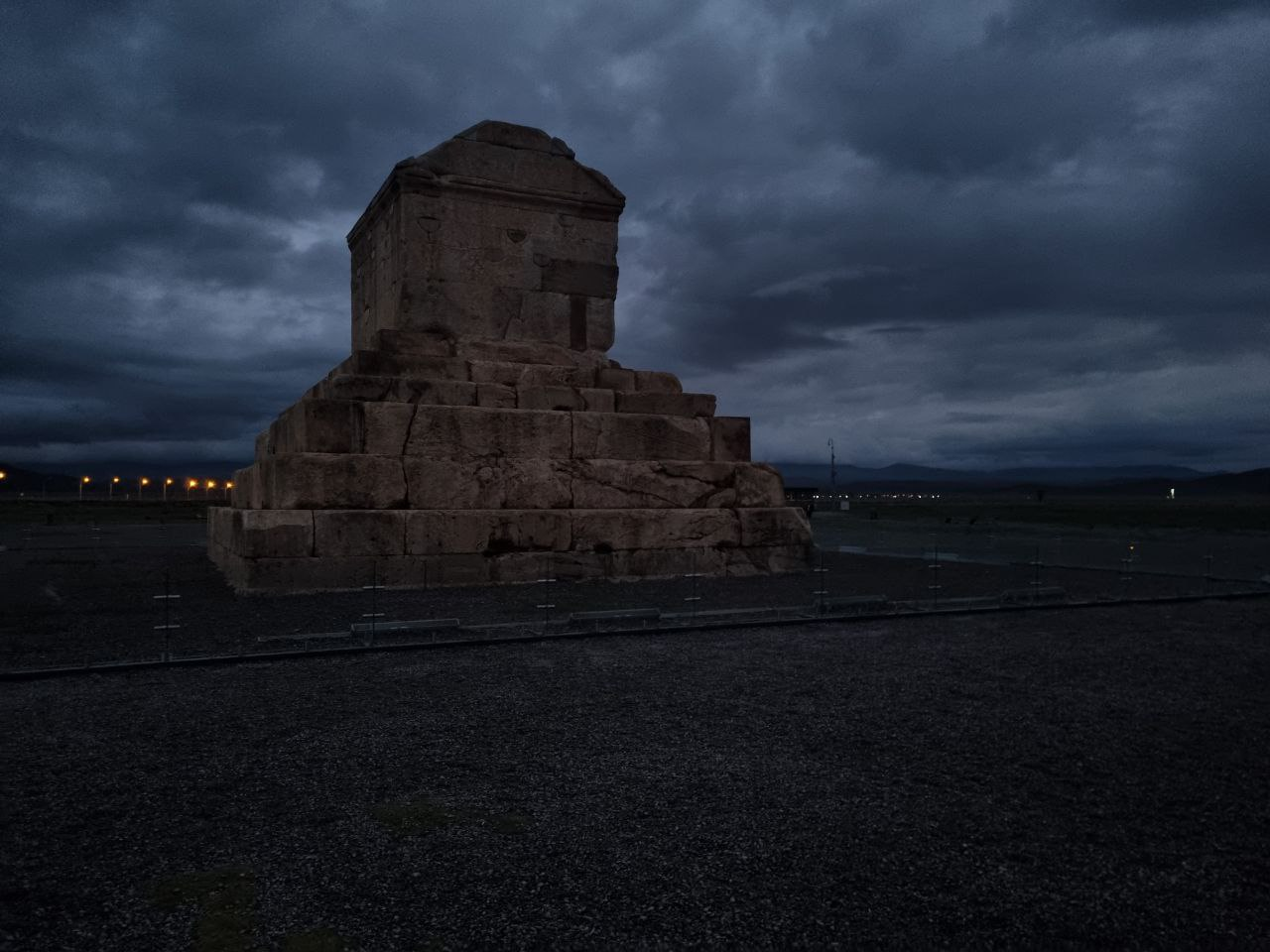
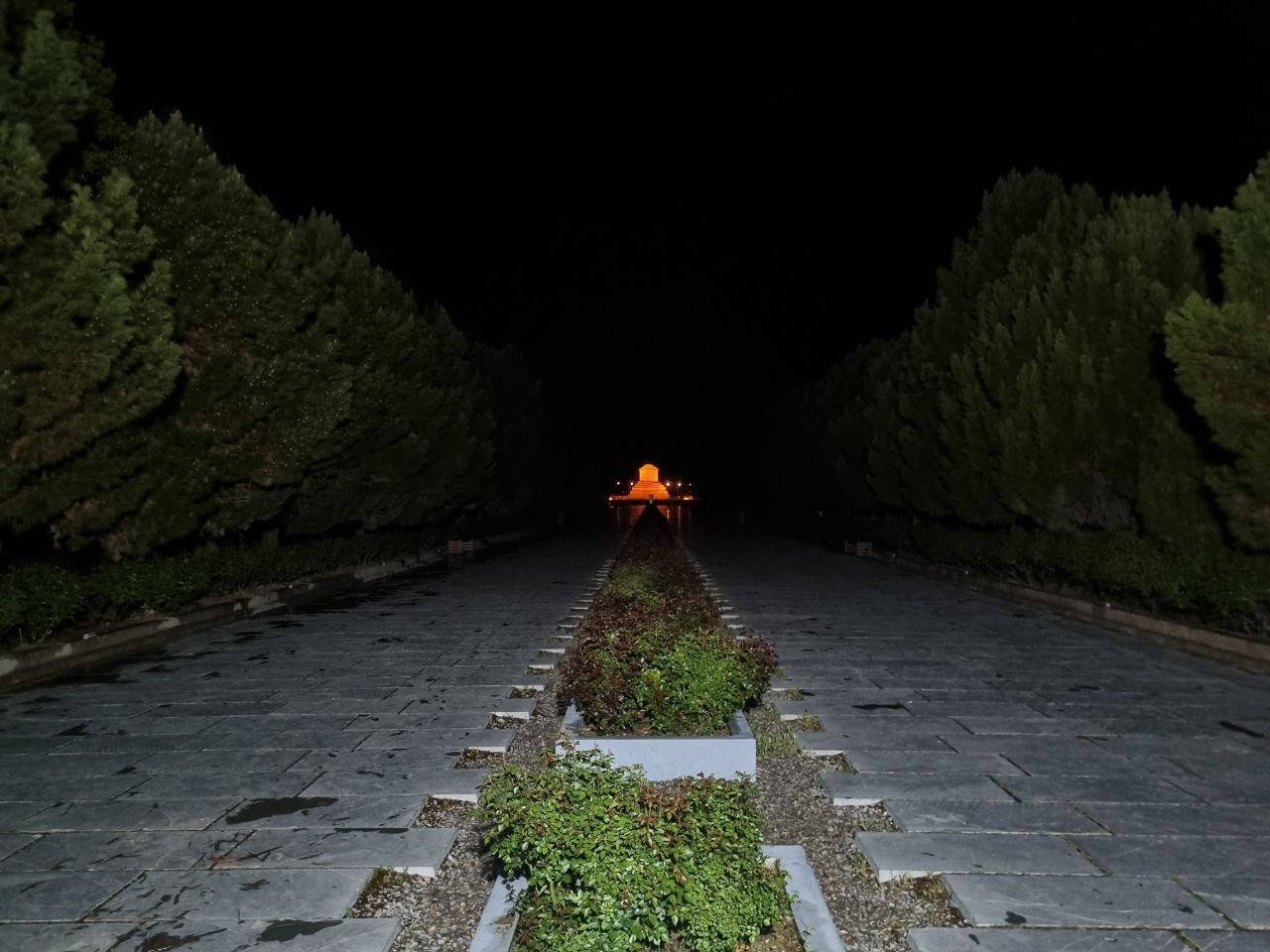
A separate outing took us to Persepolis and Pasargadae. At Persepolis, we looked across the terrace and between the columns, then down at the details of the stone joints. At Pasargadae, the Tomb of Cyrus changed character as the light faded: dark stone beneath the clouds, then a small illuminated presence at the end of the path.
The landscape between stops.
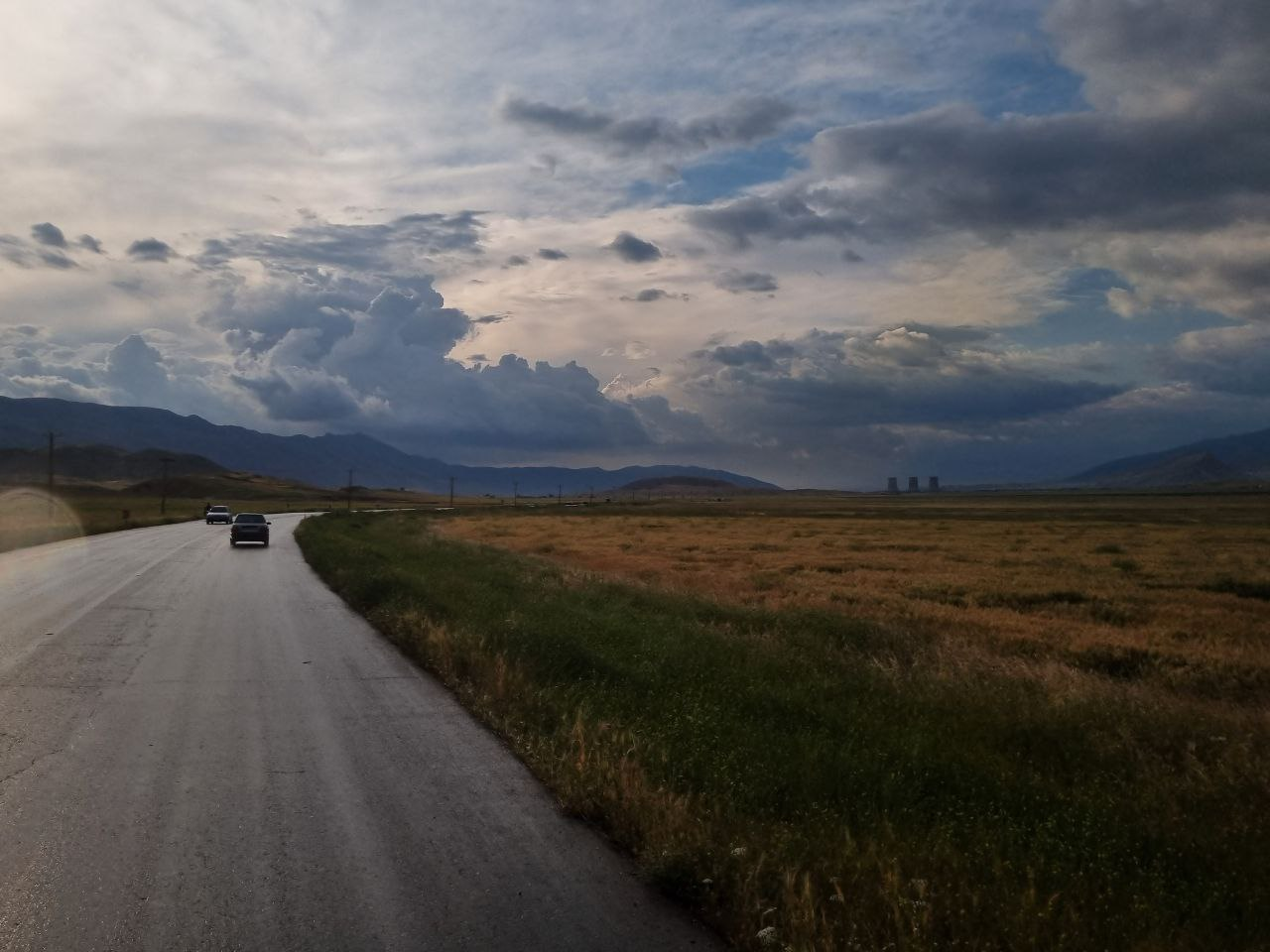
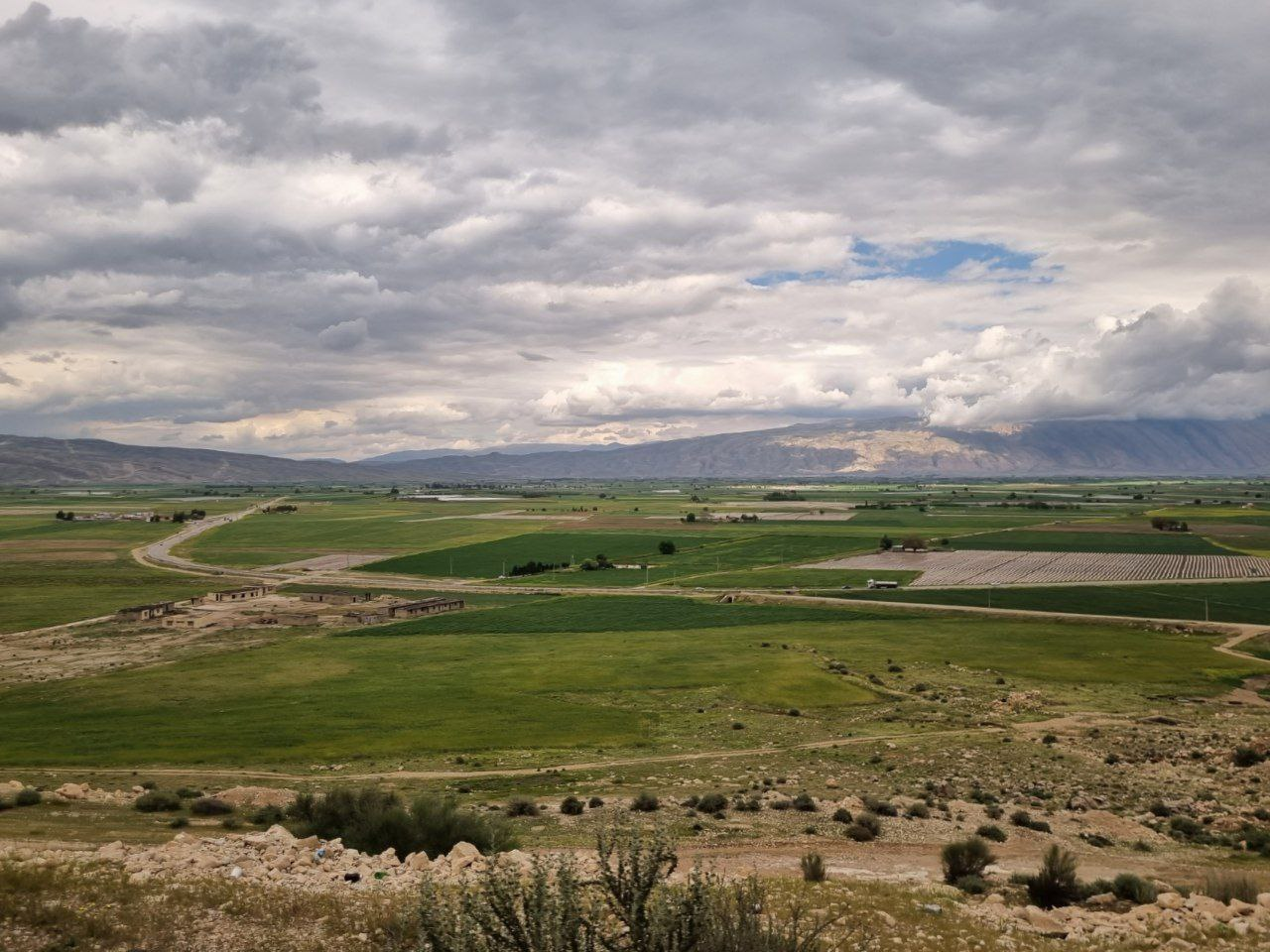
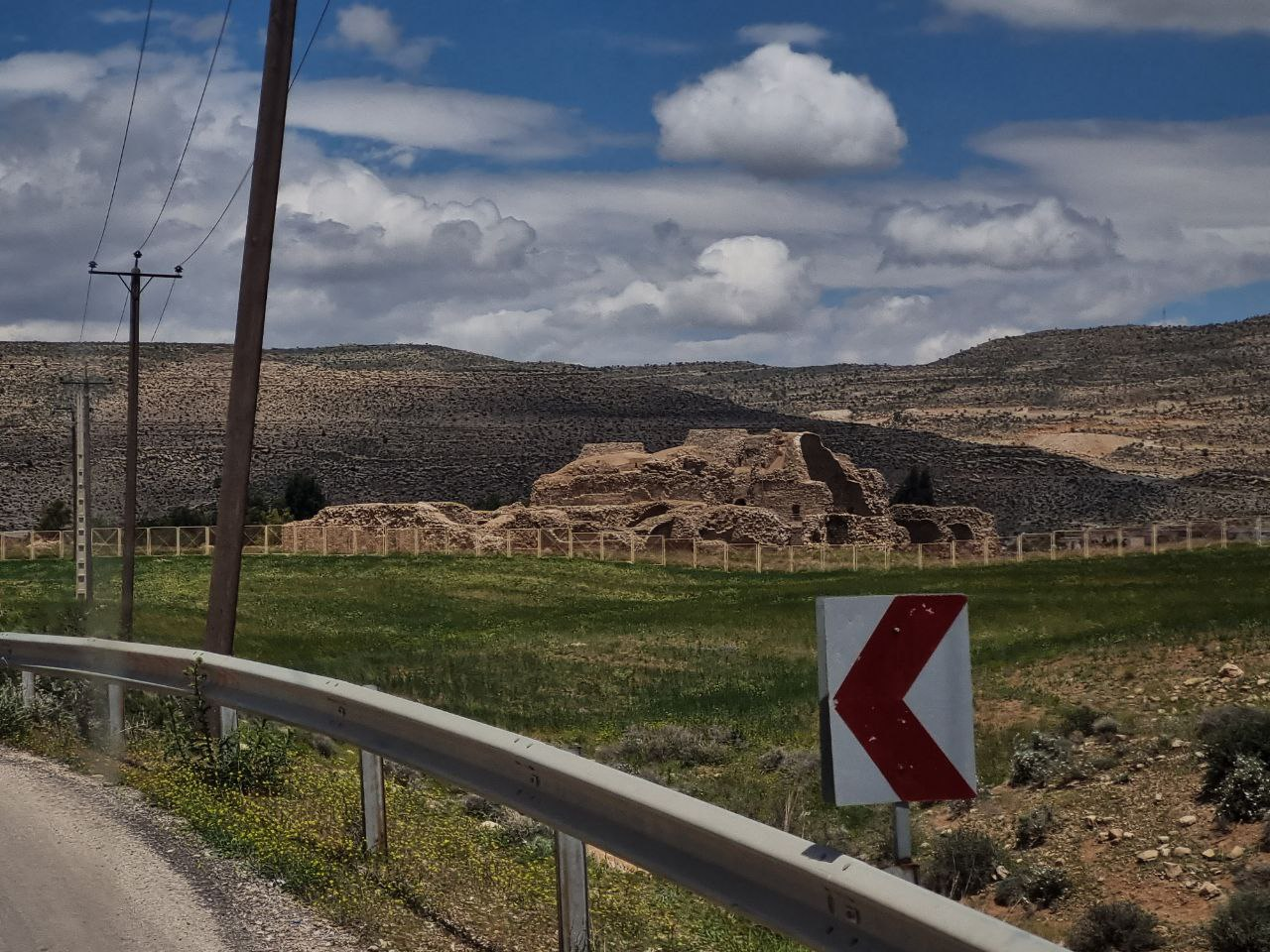
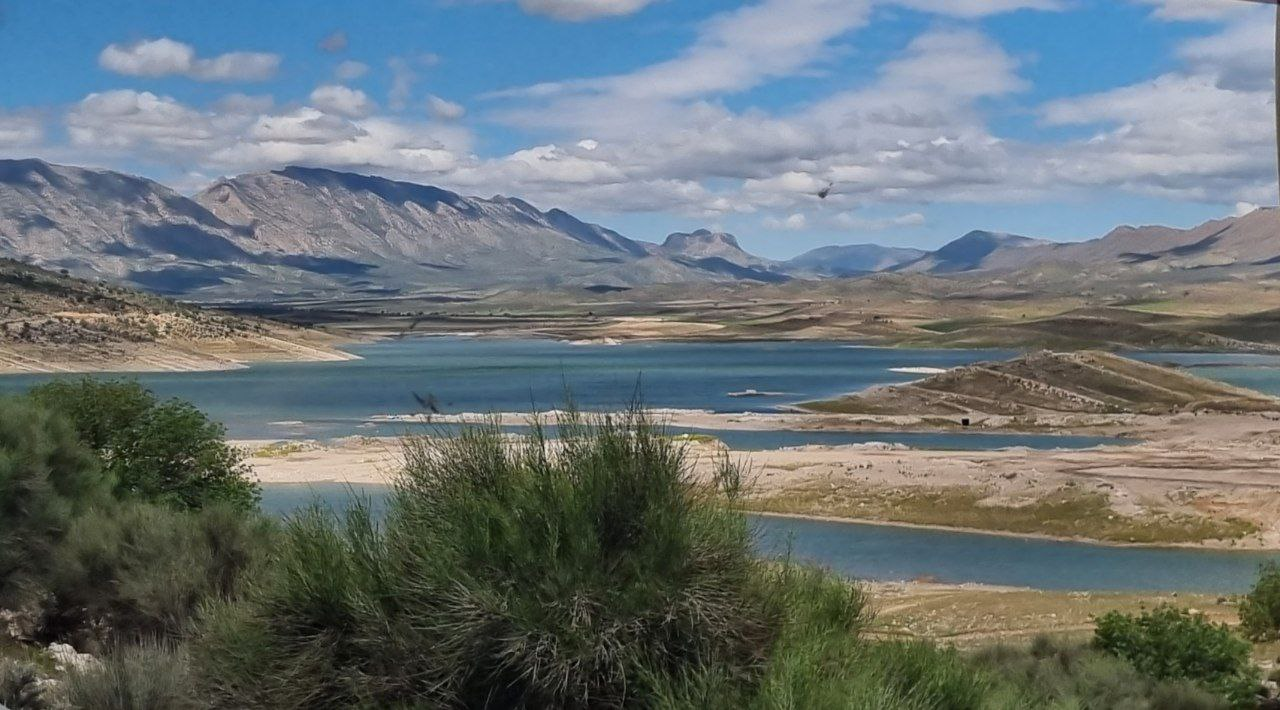
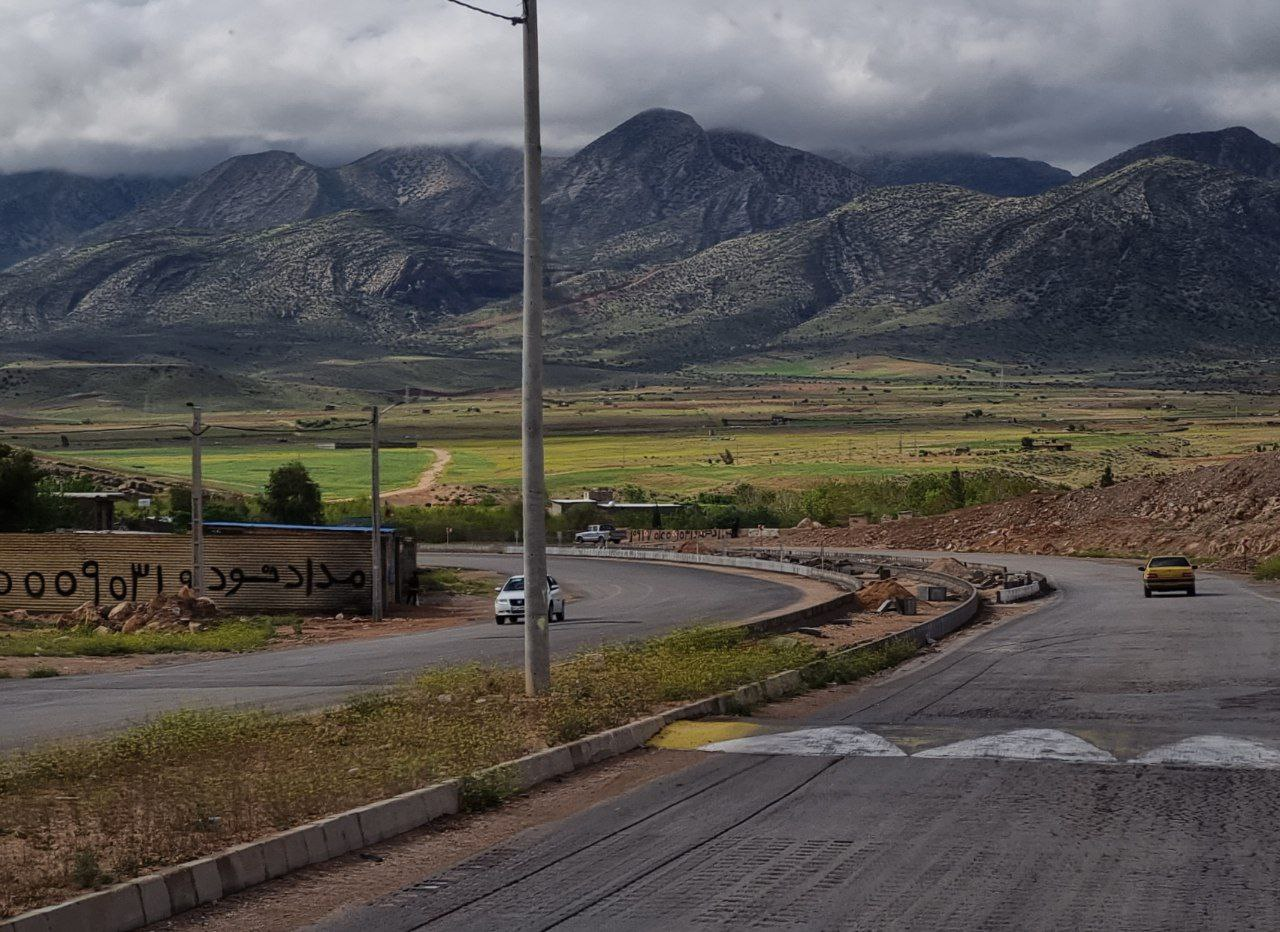
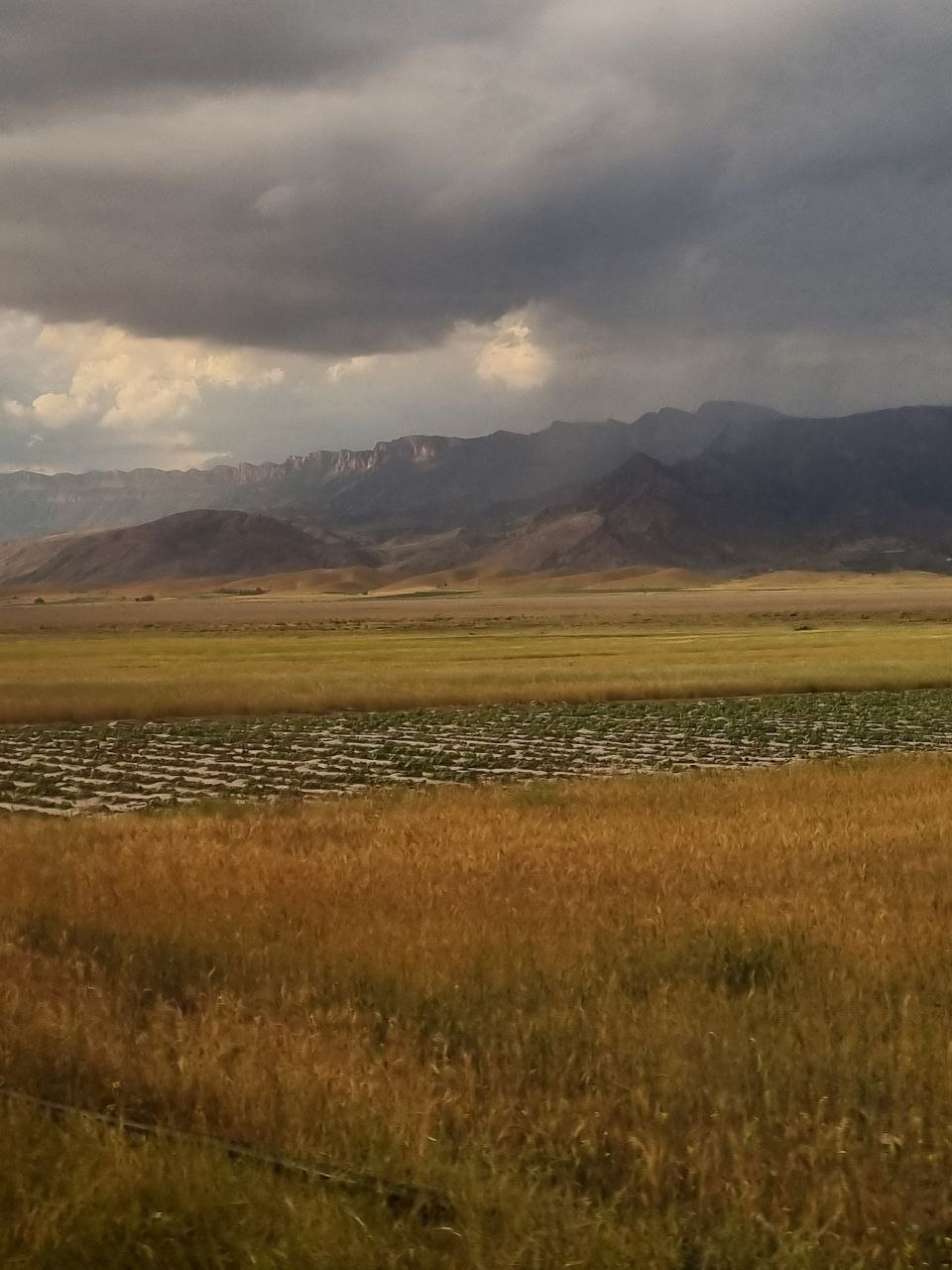
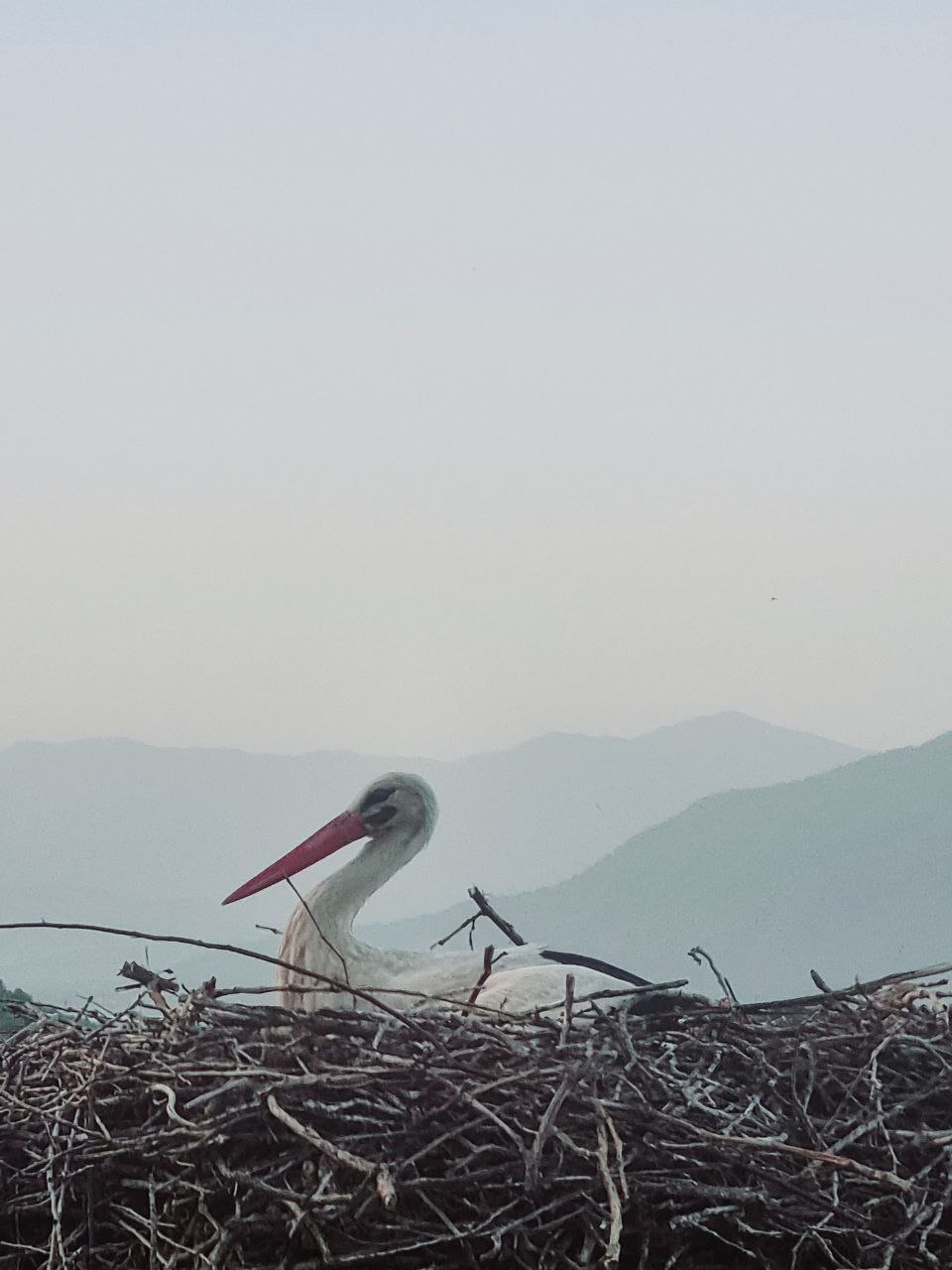
These are photographs from the bus excursion around Fars. Plains, mountain roads, water and passing ruins filled the intervals between visits. We returned by a different route, through the landscape around Dasht-e Arzhan. I remember the gorge, though I can no longer confidently name it.
The rest of the trip.
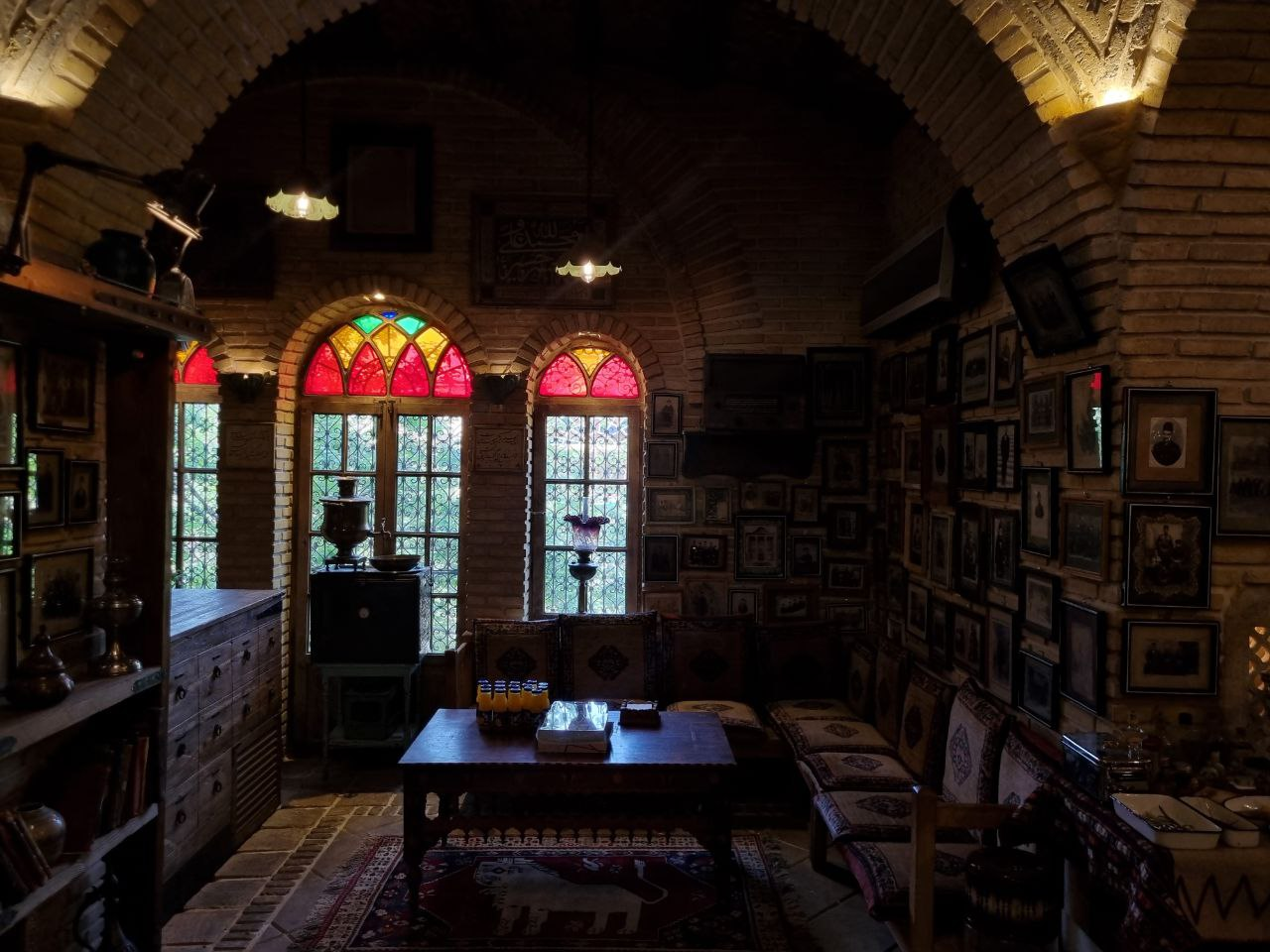
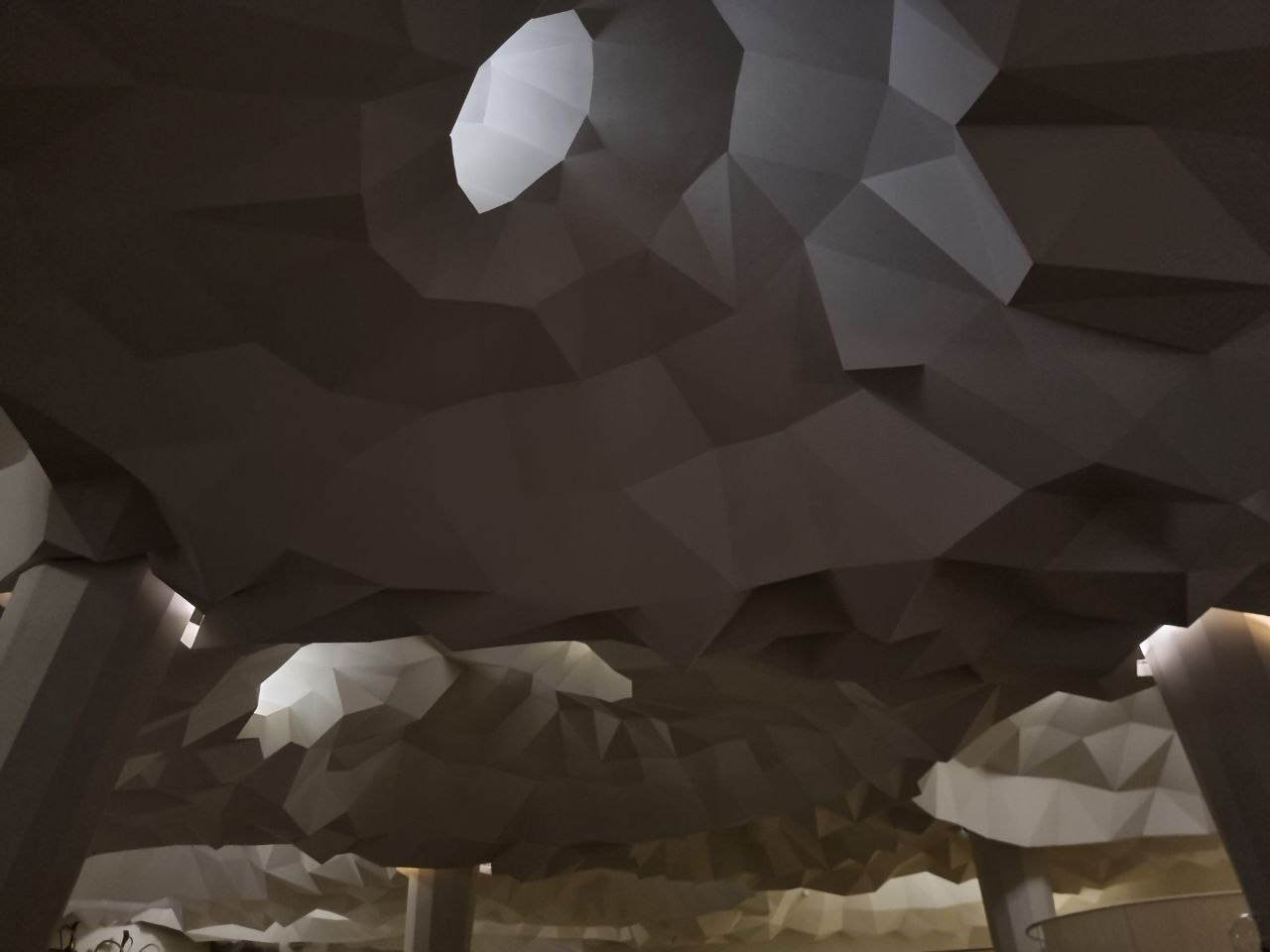
There was faloodeh Shirazi, meals together, and evenings back at the dorm playing games. I no longer remember the restaurants’ names, but I kept photographs of their rooms and ceilings. It was a course trip with Professor Memarian, and also the first time I had travelled this way with my university classmates.
 Two journeys / photographs + notebook